Kolkata–The City of Joy: India's one of the largest metro city and once the capital (1772-1912) of British India, Kolkata is located on the east bank of the Hooghly, a channel of the Ganges, 154 km upstream from the Bay of Bengal. Growing beyond its British colonial foundations, Kolkata assimilated strong European influences to create an amalgam culture that found early expression in the life and works of the 19th-century Bengali elite and its best known personality, Rabindranath Tagore. Kolkatans are said to possess a rare joie de vivre that manifests itself in their penchant for art and culture and a level of intellectual vitality and politico.



VECC AD 2.1 AERODROME LOCATION INDICATOR AND NAME VECC - KOLKATA/ INTERNATIONAL AERODROME GEOGRAPHICAL AND ADMINISTRATIVE DATA<
| 1 | ARP coordinates and site at AD | 223914N 0882648E 01.75° /1294M from THR 01R |
| 2 | Direction and Distance from City | 045°/15KM from Howrah Railway Station |
| 3 | Elevation/Reference temperature | 23 FT / 36.0°C |
| 4 | MAG VAR/Annual change | 0.45°W (1985) /0.000E |
| 5 | AD Administration, address, telephone, telefax, telex, AFS | Airports Authority Of India Netaji Subash Chandra Bose International Airport, Kolkata -700052. Tel +91-33-25119944 Fax: +91-33-25118873 AFS: VECCYUYU TELEX: NIL |
| 6 | Types of traffic permitted | IFR/VFR |
| 7 | Remarks |
| VECC | AD 2.3 | OPERATIONAL HOURS |
| 1 | AD Administration | Mon-Fri: 0400-1200 UTC (0930-1730 IST) Sat, Sun and Hol : Nil |
| 2 | Customs and immigration | H24 |
| 3 | Health and sanitation | H24 |
| 4 | AIS briefing office | H24 |
| 5 | ATS reporting office (ARO) | H24 |
| 6 | MET briefing office | H-24 |
| 7 | ATS | H24 |
| 8 | Fueling | H24 |
| 9 | Handling | H24 |
| 10 | Security | H24 |
| 11 | De-icing | Nil |
| 12 | Remarks | Nil |
| VECC | AD 2.4 | HANDLING SERVICES AND FACILITIES |
| 1 | Cargo-handling facilities | Upto 12 Tons Handling Possible. |
| 2 | Fuel/Oil types | Avg 100LL, (ATF) JET A-1, MWM 45.55 MJOII |
| 3 | Fuelling facilities/capacity | (a) Hydrant At Prkg Stands 15-26 & 41-52. (b) Bowzer At Dispersal Area Of Hanger 9,C1 & C2 , 1,000 Litres/Min. |
| 4 | De-icing facilities | Nil |
| 5 | Hangar space for visiting aircraft | Nil |
| 6 | Repair facilities for visiting aircraft | Available For A321/A320 & B737-200 & ATR - 72 Type Of Aircraft With Air India . Requiring Prior Arrangements |
| 7 | Remarks | Handling Services Available With Air India And Bhadra International. Requiring Prior Arrangements. |
| VECC | AD 2.5 | PASSENGER FACILITIES |
| 1 | Hotels | Near The AD and in the city. |
| 2 | Restaurants | At AD and in the city. |
| 3 | Transportation | Taxis, Buses from AD. |
| 4 | Medical facilities | First aid at AD. Hospitals in the city. |
| 5 | Bank and Post Office | Banks: At AD. Open H24. Post office: At AD. Open H24. |
| 6 | Tourist office | At AD and in the City |
| 7 | Remarks | Nil |
| VECC | AD 2.6 | RESCUE AND FIRE FIGHTING SERVICES |
| 1 | AD category for fire fighting | H24:Cat 9 |
| 2 | Rescue equipment | AVBL. as per category |
| 3 | Capability for removal of disabled aircraft | Available For Removal Of Upto B707 Type Of Aircraft |
| 4 | Remarks | Nil |
| VECC | AD 2.7 | SEASONAL AVAILABILITY- CLEARING |
| 1 | Types of Clearing Equipment | Nil |
| 2 | Clearance priorities | Nil |
| 3 | Remarks | Nil |
| VECC | AD 2.8 | APRONS, TAXIWAYS AND CHECK LOCATIONS DATA | |
| 1. | Apron surface and strength | Surface | Refer Para VECC AD 2.23 |
| Strength | Refer Para VECC AD 2.23 | ||
| 2. | Taxiway width, surface and strength | Width | Refer Para VECC AD 2.23 |
| Surface | Refer Para VECC AD 2.23 | ||
| Strength | Refer Para VECC AD 2.23 | ||
| 3. | ACL and elevation | Location | --- |
| Elevation | --- | ||
| 4. | VOR/INS checkpoints | VOR | --- |
| INS | --- | ||
| 5. | Remarks | --- | |
| VECC | AD 2.9 | SURFACE MOVEMENT GUIDANCE AND CONTROL SYSTEM AND MARKINGS |
| 1 | Use of aircraft stand ID signs, TWY guide lines and visual docking/parking guidance system of aircraft stands | Taxiing Guidance Signs at all Inter sections With TWY & RWY and at all Holding Positions. Guideline at Apron.Nose-In Guidance at A/C Stands , Visual Docking and Guidence System Stands 44,45,48,49 &50. |
| 2 | RWY and TWY markings and LGT | RWY: Markings:Designation, THR , TDZ,Centerline , Rwy Edge Lighting:THR, Edge, End, TDZ,Centerline TWY: Marking:Centerline, Holding Positions at all Twy/Rwy intersections.Intermediate taxi position on TWY A and for ILS CAT II on TWY C and TWY D Lighted: Edge. |
| 3 | Stop bars | Nil |
| 4 | Remarks | Nil |
| VECC | AD 2.10 | AERODROME OBSTACLES |
| In approach / TKOF areas | |||||
| 1 | 2 | 3 | 4 | 5 | 6 |
| RWY NR/Area affected | Obstacle type | Coordinates | Elevation | Marking/LGT | Remarks |
| APCH01L TKOF19R affected | TREE | 223747.8 N 0882637.4 E | 99 FT | NIL | NIL |
| APCH19R TKOF01L affected | TREE | 224006.4 N 0882642.1 E | 75 FT | NIL | NIL |
| APCH19L TKOF01R affected | TREE | 224044.3 N 0882658.3 E | 62 FT | NIL | NIL |
| APCH19L TKOF01R affected | TREE | 224045.9 N 0882703.9 E | 59 FT | NIL | NIL |
| APCH19L TKOF01R affected | TREE | 224047.7 N 0882700.0 E | 84 FT | NIL | NIL |
| APCH19L TKOF01R affected | TREE | 224048.7 N 0882654.2 E | 89 FT | NIL | NIL |
| APCH19L TKOF01R affected | TREE | 224042.6 N 0882653.5 E | 59 FT | NIL | NIL |
| APCH19L TKOF01R affected | GP OF TREES | 224047.2 N 0882708.3 E | 78 FT | NIL | NIL |
| APCH19L TKOF01R affected | CHIMNEY | 224049.1 N 0882709.9 E | 79 FT | NIL | NIL |
| APCH19L TKOF01R affected | TREE | 224058.3 N 0882707.7 E | 86 FT | NIL | NIL |
| APCH19L TKOF01R affected | TREE | 224059.1 N 0882659.8 E | 89 FT | NIL | NIL |
| APCH19L TKOF01R affected | TREE | 224106.6 N 0882705.3 E | 103 FT | NIL | NIL |
| APCH19L TKOF01R affected | TREE | 224053.0 N 0882705.4 E | 103 FT | NIL | NIL |
| APCH01L TKOF19R affected | TREE | 223807.8 N 0882635.9 E | 54 FT | NIL | NIL |
| APCH01L TKOF19R affected | TREE | 223811.4 N 0882643.2 E | 47 FT | NIL | NIL |
| APCH01L TKOF19R affected | TREE | 223800.3 N 0882637.7 E | 69 FT | NIL | NIL |
| APCH01L TKOF19R affected | TREE | 223813.1 N 0882635.8 E | 57 FT | NIL | NIL |
| APCH01L TKOF19R affected | TREE | 223812.9 N 0882639.4 E | 53 FT | NIL | NIL |
| APCH01R TKOF19L affected | TREE | 223816.0 N 0882651.3 E | 52 FT | NIL | NIL |
| APCH01L TKOF19R affected | TREE | 223758.3 N 0882629.8 E | 92 FT | NIL | NIL |
| VECC | AD 2.11 | METEOROLOGICAL INFORMATION PROVIDED |
| 1 | Associated MET Office | Kolkata |
| 2 | Hours of service MET Office outside hours | H24 |
| 3 | Office responsible for TAF preparation period of validity | Kolkata 9, 30HR |
| 4 | Trend forecast interval of issuance | Trend 30 MIN |
| 5 | Briefing/consultation provided | Provided |
| 6 | Flight documentation Language(s) used | Chart And Tabular English |
| 7 | Charts and other information available for briefing and consultation | Surface chart,Upper Air (850,700,500,400,300,250,200),Sig weather chart FL (100-250) and (250-630) respectively,Satellite,imagery, Radar,Radar products, Inference |
| 8 | Supplementary equipment available for providing information | SYNERGIE System,DMDD,Weather Radar,Transmissometer at 01R,19L & Mid RWY for RVR |
| 9 | ATS units provided with information | Kolkata ATS and ACS. |
| 10 | AD Additional information (limitation of service, etc.) | Availability of products through Doppler Weather |
| VECC | AD 2.12 | PHYSICAL CHARACTERISTICS |
| Designations RWY NR | TRUE & MAG BRG | Dimensions of RWY (M) | Strength (PCN) and surface of RWY and SWY | THR coordinates | THR elevation and highest elevation of TDZ of precision APP RWY (FT) |
| 1 | 2 | 3 | 4 | 5 | 6 |
| 01L | 6.25° GEO 7.00° MAG | 2839 x 45 | PCN 45 F/C/W/T. Bitumen | 223824.71N 0882638.37E | THR:19.0FT |
| 19R | 186.25° GEO 187.00° MAG | 2839 x 45 | PCN 45 F/C/W/T. Bitumen | 223953.64N 0882648.82E | THR:19.0FT |
| 01R | 6.25° GEO 7.00° MAG | 3627 x 45 | PCN 84 F/C/W/T. Bitumen | 223831.91N 0882646.73E | THR:20.0FT TDZ:20.2FT |
| 19L | 186.25° GEO 187.00° MAG | 3627 x 45 | PCN 84 F/C/W/T. Bitumen | 224014.70N 0882657.80E | THR:19.0FT TDZ:19.8FT |
| Slope of RWY-SWY | SWY dimensions (M) | CWY dimensions (M) | Strip dimensions (M) | OFZ | Remarks |
| 7 | 8 | 9 | 10 | 11 | 12 |
| -.08%(769M) -.02%(1080M) +. 2%(550M) | --- | --- | 2823 x 150 | --- | --- |
| +. 2%(550M) -.02%(1080M) -0.08%(769M) | --- | --- | 2823 x 150 | --- | Threshold displaced by 90M |
| --- | --- | --- | 3956 x 300 | --- | --- |
| --- | --- | --- | 3956 x 300 | --- | Threshold displaced by 427M |
| NOTE:- To eliminate chance of Rwy surface damage Pilots to use turning Pad of Rwy 19L while lining up for departure. |
| VECC | AD 2.13 | DECLARED DISTANCES |
| RWY designator | TORA (M) | TODA (M) | ASDA (M) | LDA (M) | Remarks |
| 1 | 2 | 3 | 4 | 5 | 6 |
| 01L | 2839 | 2839 | 2839 | 2839 | RESA 130 X 90 M |
| 19R | 2839 | 2839 | 2839 | 2749 | NIL |
| 01R | 3627 | 3627 | 3627 | 3627 | RESA 90 X 90 M |
| 19L | 3627 | 3627 | 3627 | 3200 | RESA 240 X 90M |
| VECC | AD 2.14 | APPROACH AND RUNWAY LIGHTING |
| Designations RWY | APCH LGT TYPE LEN INTST | THR LGT COLOUR WBAR | VASIS (MEHT) PAPI | TDZ, LGT LEN | RWY centre line LGT Length, spacing, colour and intensity | RWY edge LGT Length, spacing, colour and intensity |
| 1 | 2 | 3 | 4 | 5 | 6 | 7 |
| 01R | CAT - I 900M | Green | PAPI LEFT/3° (50FT) | --- | 3627M 30M Variable White | 3627M 60M,WHITE (Last600m amber) LIH |
| 19L | CAT- II 900M | Green Wbar | PAPI LEFT/3° (50FT) | 900M spacing 30M | 3200M, 30M Variable White from 900M to 300M from RWY end and Red from 300M to RWY end | 3627M 60M,WHITE (Last600m amber) LIH |
| 01L | SALS 305M | Green | PAPI LEFT/3° (50FT) | --- | --- | 2839M 60M,WHITE (Last600m amber) LIH |
| 19R | SALS 427M | Green | PAPI LEFT/3° (50FT) | --- | --- | 2839M 60M,WHITE (Last600m amber) LIH |
| RWY end LGT colour WBAR | SWY LGT LEN (M) colors | Remarks |
| 8 | 9 | 10 |
| Red | --- | --- |
| Red | --- | --- |
| Red | --- | APCH with cross bar at152m and 305m. |
| Red | --- | --- |
| VECC | AD 2.15 | OTHER LIGHTING, SECONDARY POWER SUPPLY |
| 1 | ABN/IBN Location, characteristics and hours of operation | ABN : At tower Building, FLG W&G Ev 2 Sec, H-24 IBN : Nil |
| 2 | LDI location and LGT Anemometer location and LGT | LDI: Between the two RWYs near 'C' Twy. Anemometer: --- |
| 3 | TWY edge and centre line lighting | Center line: ---- Edge: All Twy |
| 4 | Secondary power supply/switch-over time | Secondary Power supply to all lighting at AD. Switch-over time :10 SEC. |
| 5 | Remarks | --- |
| VECC | AD 2.16 | HELICOPTER LANDING AREA |
| Not Established |
| VECC | AD 2.17 | ATS AIRSPACE |
| 1 | Designation and lateral limits | KOLKATA CTR, A circle of radius 25NM centered at 224033.5N 0882653.3E DVOR "CEA" |
| 2 | Vertical limits | SFC to FL50 |
| 3 | Airspace classification | “D” |
| 4 | ATS unit call sign Language(s) | KOLKATA Tower English |
| 5 | Transition altitude | 4000 FT |
| 6 | Remarks | Nil |
| VECC | AD 2.18 | ATS COMMUNICATION FACILITIES |
| Service designation | Call sign | Frequency | Hours of operation | Remarks |
| 1 | 2 | 3 | 4 | 5 |
| TAR | Kolkata Radar | 119.3 MHZ 127.9 MHZ | H24 | SDBY --- |
| APP | Kolkata Approach | 119.3 MHZ 127.9 MHZ | H24 | SDBY --- |
| TWR | Kolkata Tower | 118.1 MHZ | H24 | |
| ATIS | Kolkata Information | 126.4 MHZ | H24 | --- |
| ALRS | --- | 121.5 MHZ | H24 | EMERGENCY FREQUENCY |
| RSR(E) | Kolkata Radar | 120.7 MHZ 125.9 MHZ | H24 | --- SDBY |
| SMC | Kolkata Ground | 121.9 MHZ | H24 | --- |
| RSR(W) | Kolkata Radar | 120.1MHz 126.1MHz | H-24 | --- SDBY |
| RSR(S) | Kolkata Radar | 132.45MHz | H-24 | --- |
| CPDLC | VECF | H-24 | --- |
| VECC | AD 2.19 | RADIO NAVIGATION AND LANDING AIDS |
| Type of aid CAT of ILS/MLS (For VOR/ILS/MLS, give VAR) | ID | Frequency | Hours of operation | Site of transmitting antenna | ELEV of DME transmitting antenna | Remarks |
| 1 | 2 | 3 | 4 | 5 | 6 | 7 |
| LLZ 01R | ICAL | 109.9 MHz | H24 | 224041.6 N 0882700.4 E | --- | |
| GP 01R | - | 333.8 MHz | H24 | 223840.6 N 0882652.4 E | --- | 3°,RDH/50FT |
| LLZ 19L | IDUM | 110.3 MHz | H24 | 223819.6 N 0882645.4 E | --- | |
| GP 19L | - | 335.0 MHz | H24 | 224004.7 N 0882701.8 E | --- | 3 Deg , RDH 54FT |
| LO | DU | 385.0 kHz | H24 | 224424.6 N 0882727.4 E | --- | |
| OM 01R | - | 75.0 MHz | H24 | 223501.6 N 0882623.8 E | --- | Colocated with LO CA |
| LO 01R | CA | 293.0 kHz | H24 | 223501.6 N 0882623.8 E | --- | |
| DME | CEA | 1159/1096 MHz | H24 | 224033.5N 0882653.3E | 55FT | Collocated with DVOR |
| DME | ICAL | 997/1060MHz | H24 | 223840.6N 0882652.4E | 65FT | Collocated with GP 01R |
| DME | IDUM | 1001/1064MHz | H24 | 224004.7N 0882701.8E | Collocated with GP 19L | |
| DVOR | CEA | 112.5 MHz | H24 | 224033.5N 0882653.3E |
| NOTE:- One of the two ILS serving RWY 19L& 01R will be operational at a time. Change over fm active to non-operational system will be effected within 15 (fifteen) minute on receipt of request fm aircraft. |
| VECC | AD 2.20 | LOCAL TRAFFIC REGULATIONS |
| I. | For Stand 15, 16 & 17 Taxi in via Twy G & Taxi out via Twy A |
| II. | For parking stands 52 & 53 manual marshalling required. Departing aircraft to push back on TWY F1 facing north and start engines only after reaching abeam stand No.51 |
| III. | Portion of TWY ‘F1’ from the rear of stand 50 to the intersection of TWY ‘R’ available for operations of Acft. Up to CAT C. Necessary guidance board, lights and markings provided. |
| IV. | Portion of TWY ‘R’ from the intersection of TWY ‘A’ till intersection of TWY ‘F1” available for aircraft up to CAT C. During towing to hanger exercise caution due presence of vehicles. |
| VECC | AD 2.21 | NOISE ABATEMENT PROCEDURES |
| ----------------------- |
| VECC | AD 2.22 | FLIGHT PROCEDURES |
| I. | KOLKATA AIRPORT - STANDARD INSTRUMENT DEPARTURE PROCEDURE |
| 1. | FACTOR COMMON TO ALL SIDs ARE AS FOLLOWS :- | |
| (a) | The radials mentioned in the SIDs are those of KOLKATA VOR (112.5MHz CEA) unless otherwise specified. | |
| (b) | ATC at its discretion will specify alternate routings. If considered necessary due traffic | |
| (c) | The departure instructions will speci fy the SID to be followed, but may require an aircraft to climb to a specified altitude on a specified heading and to climb when instructed by Radar. In such cases, the aircraft will contact Radar and follow instructions. If communications with Radar is not established, the aircraft will follow the SID speci fied in the departure instructions. | |
| 2. | SIDs RWY 19L/19R | |
| ROUTE DESIGNATOR | SID DESIGNATOR | ROUTING AFTER DEPARTURE |
| R472/R598 | AGODA-1 | Turn left to intercept R-006 for AGODA. |
| A462 | BEMAK-1 | Turn left heading 020º to intercept R-060 for BEMAK. |
| B593 | NOKAT-1 | Turn left heading 040º to intercept R-077 for NOKAT. |
| B465 | SUMAG-1 | >Turn left heading 070º to intercept R-101 for SUMAG. |
| >L507 | >AVPOP-1 | Turn left heading 090º to intercept R-126 for AVPOP. |
| W41/A465 | LEGOS-1 | Turn right at 2000FT to intercept R-199 for LEGOS then to KAKID. |
| A791/G450 | JAMSHEDPUR-1 | Turn right heading 305 to intercept R-275 to Jamshedpur VOR. |
| R460 | TEPAL-1 | Turn right heading 315 to intercept R-285 after passing 4000FT or 12DME whichever is earlier, turn right on heading 330 to establish R-303 to TEPAL. |
| R581 | DUMKA-1 | Climb straight ahead until 4DME.Then turn right to fly DME arc of radius of 7NM. After crossing R-312 turn left to establish on R-327 to DUMKA.Cross R-210 at 2000FT or above and R-285 at 4000FT or above. |
| A467/W69 | ONOTO-1 | Climb straight ahead until 4DME.Then turn right to fly DME arc of radius of 7NM. After crossing R-329 turn left to establish on R-345to ONOTO.Cross R-210 at 2000FT or above and R-285 at 4000FT or above. |
| P646 | DOPID-1 | Turn left heading 140º to intercept CEA VOR R-159 to DOPID N205503.2 E0891216.1 (R-159/112D CEA VOR) and join P646/W111/W112. |
| M773 | BUBKO-1 | Turn right at 2000ft to intercept CEA VOR R-199 to LEGOS N213802.9 E0880520.6 (R-200/064D CEA VOR) - 169º/151NM - BUBKO N191103.7 E0883950.5 and join M770. |
| 3. | SIDs RWY 01L/01R |
| ROUTE DESIGNATOR | SID DESIGNATOR | ROUTING AFTER DEPARTURE |
| R472/R598 | AGODA-2 | Turn right to intercept R-006 for AGODA. |
| A462 | BEMAK-2 | Turn right heading 090º to intercept R-060 for BEMAK. |
| B593 | NOKAT-2 | Turn right heading 100º to intercept R-077 for NOKAT. |
| B465 | SUMAG-2 | Turn right heading 140º to intercept R-101 for SUMAG. |
| L507 | AVPOP-2 | Turn right heading 160º to intercept R-126 for AVPOP. |
| W41/A465 | LEGOS-2 | Turn right heading 220º to intercept R-199 for LEGOS then to KAKID. |
| A791/G450 | JAMSHEDPUR-2 | Turn left heading 230º at 4000FT to intercept R-275 to Jamshedpur VOR. |
| JAMSHEDPUR-4 | Turn right for KOLKATA VOR (112.5 CEA) to intercept R-275 to Jamshedpur VOR. | |
| R460 | TEPAL-2 | Turn left heading 270º at 4000FT to intercept R-303 to TEPAL |
| R581 | DUMKA-2 | Turn left at 4000FT to intercept R-327 for DUMKA. |
| A467/W69 | ONOTO-2 | Turn left at 4000FT to intercept R-345 for ONOTO. |
| P646 | DOPID-2 | Turn right heading 200º to intercept CEA VOR R-159 to DOPID N205503.2 E0891216.1 (R-159/112D CEA VOR) and join P646/W111/W112. |
| M773 | BUBKO-2 | Turn right heading 220º to intercept CEA VOR R-199 to LEGOS N213802.9 E0880520.6 (R-199/064D CEA VOR) - 169º/151NM - BUBKO N191103.7 E0883950.5 and join M770. |
| II.. | Kolkata TMA Routing |
| Route Designator | Kolkata TMA Routing |
| P646 | DOPID N205503.2 E 0891216.1 -- 339º / 112NM --- CEA VOR N223842.6 E0882710.4 |
| M773 | BUBKO N191103.7 E0883950.5 -- 349º / 151NM --- LEGOS N213802.9 E0880520.6 -- 019º / 064NM --- CEA VOR N223842.6 E0882710.4 |
| III. | SURVEILLANCE RADAR APPROACH PROCEDURES |
| 1. | NSCBI AIRPORT, KOLKATA |
| RWY | THR ELEVATION (FT) | Inbound Track DEG (M) | IF (Dist. From touch down) (NM) | Altitude over IF (FT) | FAF (Dis. From touch down (NM) | Altitude over FAF (FT) | MAPT (Dist. From touch down) (NM) | OCA (Straig ht-in (FT) |
| 19 L | 19 | 187 | 12 | 2000 | 6.2 | 2000 | 2 | 660 |
| 01 R | 20 | 007 | 12 | 2000 | 6.2 | 2000 | 2 | 670 |
| 2. | Distance / Altitude Information |
| RWY | Dist. from TD (NM) | Distance / Altitude Information (NM) | Descent Gradient (GP Angle) | ||||
| 6 | 5 | 4 | 3 | 2 | |||
| 19L | Altitude (Ft) | 1940 | 1620 | 1300 | 980 | 660 | 5.26% (3 Deg) |
| 01R | Altitude (Ft) | 1940 | 1620 | 1300 | 980 | 670 | 5.26% (3 Deg) |
| 3. | OCA Circling : CAT A/B : 720 ft. | ||
| CAT C/D : 820 ft. | |||
| 4. | Missed Approach Procedure : | ||
| RWY 19L : Climb straight ahead to 2000 ft then turn left to join VOR holding as specified in Para 6 or as instructed by ATC. | |||
| RWY 01R : Climb straight ahead to 2000 ft then turn right to join VOR holding as specified in Para 6 or as instructed by ATC. | |||
| 5. | Radar vectoring Areas : | ||
| Radar vectoring area is 2000 ft AMSL in all the sectors upto 25 NM. | |||
| 6. | Holding procedure VOR (112.5 CEA) |
| RWY 19L | One minute right hand pattern inbound track 003 deg M. Minimum holding altitude 2000ft. |
| RWY 01R | One minute left hand pattern inbound t rack 205 deg M. Minimum holding altitude 2000ft. |
| 7. | Radio communication failue procedure : | |
| 1. | (I) | In case radio communication failure takes place prior to establishing final approach, maintain the last assigned altitude or 2000ft whichever is higher and proceed to VOR (112.5) CEA via the shortest route to join holding procedure as specified in para 6. |
| (II) | In case radio communication failure takes place after establishing the final approach track, aircraft may continue the approach and land if visual, or go around and carry out the missed approach procedure and join the VOR (112.5) CEA holding procedure as speci fied in Para 6. | |
| 2. | After joining the VOR holding procedure commence the instrument approach procedure ( ILS or VOR) for rwy for which SRA was being provided. | |
| 3. | If required by ATC the length of intermediate segment may be reduced to less then 5NM but not less then 2NM provided angle of interception does not exceed 30 Deg. | |
| VECC | AD 2.23 | ADDITIONAL INFORMATION |
| I | PARKING STANDS |
| Stand No. | SURFACE | PCN | CO-ORDINATES | Suitable For | REMARK | |
| 13 | BITUMEN | 32/F/C/W/T | 223905.90N 0882636.86E | DO-228 | Power-In/Power-Out | |
| 14 | BITUMEN | 32/F/C/W/T | 23906.01N 0882635.63E | DO-228 | ||
| 15 | CONCRETE | 79/R/C/W/T | 223900.43N 0882635.72E | A300 | Power-In/Power-Out, Hydrant | |
| 16 | CONCRETE | 79/R/C/W/T | 223858.77N 0882635.54E | A300 | ||
| 17 | CONCRETE | 79/R/C/W/T | 223857.05N 0882635.32E | A300 | ||
| 18 | CONCRETE | 60/R/C/W/T | 223854.77N 0882634.70E | B737-800 | Power-In/Pushback, Hydrant | |
| 19 | CONCRETE | 60/R/C/W/T | 223853.42N 0882634.50E | B737-800 | ||
| 20 | CONCRETE | 32/R/C/W/T | 223850.76N 0882634.11E | B737-800 | Power-In/Power-Out, Hydrant | |
| 21 | CONCRETE | 32/R/C/W/T | 223849.38N 0882633.88E | B737-800 | ||
| 22 | CONCRETE | 103/R/C/W/T | 223843.95N 0882633.52E | B737-800 | ||
| 23 | CONCRETE | 103/R/C/W/T | 223842.44N 0882633.35E | B737-800 | ||
| 24 | CONCRETE | 103/R/C/W/T | 223841.03N 0882632.25E | B737-800 | ||
| 25 | CONCRETE | 103/R/C/W/T | 223839.73N 0882631.97E | B737-800 | ||
| 26 | CONCRETE | 103/R/C/W/T | 223835.74N 0882632.54E | B737-800 | ||
| 27 | CONCRETE | 106/R/C/W/T | 223834.45N 0882632.39E | B737-800 | Power-In/Power-Out | |
| 28 | CONCRETE | 106/R/C/W/T | 223833.01N 0882632.11E | B737-800 | ||
| 29 | CONCRETE | 106/R/C/W/T | 223831.69N 0882631.94E | B737-800 | ||
| 30 | CONCRETE | 80/R/C/W/T | 223830.15N 0882631.71E | B737-800 | ||
| 31 | CONCRETE | 80/R/C/W/T | 223828.79N 0882631.52E | B737-800 | ||
| 32 | CONCRETE | 80/R/C/W/T | 223827.50N 0882631.37E | B737-800 | ||
| 41 | CONCRETE | 50/R/C/W/T | 223902.83N 0882628.58E | B747-400 | Power-In/Pushback, Hydrant | |
| 42 | CONCRETE | 50/R/C/W/T | 223900.49N 0882628.20E | B747-400 | ||
| 43 | CONCRETE | 50/R/C/W/T | 223858.20N 0882627.89E | B747-400 | ||
| 44 | CONCRETE | 60/R/C/W/T | 223855.26N 0882627.53E | B747-400 | ||
| 45 | CONCRETE | 103/R/C/W/T | 223853.31 N 0882627.45E | B747-400 | ||
| 46 | CONCRETE | 60/R/C/W/T | 223850.85N 0882627.18E | B747-400 | ||
| 48 | CONCRETE | 60/R/C/W/T | 223844.57N0882626.69E | A300 | ||
| 49 | CONCRETE | 60/R/C/W/T | 223842.24N 0882626.30E | A300 | ||
| 50 | CONCRETE | 106/R/C/W/T | 223840.40N 0882626.26E | A300 | ||
| 51 | 106/R/C/W/T | 223838.90N 0882626.33E | B737-800 | |||
| 52 | 111/R/C/W/T | 223837.60N 0882626.15E | B737-800 | |||
| 53 | 111/R/C/W/T | 223836.19N 0882625.88E | B737-800 | Power-in/Push Back | ||
| CARGO APRON | ||||||
| C-1 | CONCRETE | 90/R/C/W/T | 223909.48N 0882632.73E | B737-200 | Power-in/Power-Out | |
| C-2 | CONCRETE | 90/R/C/W/T | 223909.36N 0882633.87E | B737-200 | ||
| C-3 | CONCRETE | 90/R/C/W/T | 223921.48N 0882636.30E | B737-200 | Power-in/Push Back | |
| C-4 | CONCRETE | 90/R/C/W/T | 223924.02N 0882636.59E | AN124 | ||
| C-5 | CONCRETE | 90/R/C/W/T | 223926.75N 0882636.99E | AN124 | ||
| Note | : - |
| 1. | Aerobridge on stand no. 44,48 and 50. |
| 2. | All arrival/departure to report aircraft registration on first contact with SMC on 121.9MHz alongwith other details. |
| 3. | Parking standC-3,C-4,C-5 are located north of Fire station. |
| 4. | For stand no. 52 and 53, departing aircraft will push back on TWY ‘F1’ facing north and starts engine only after reaching abeam stand no.51. |
| 5. | The aircraft allotted stand no.15-16 and 17 will taxi in via TWY “G” &”F”and taxi out via TWY “A”. |
| II. | TAXIWAYS |
| DESIGNATION | WIDTH | SURFACE | PCN | REMARKS |
| A | 23M | BITUMEN | 55/R/C/W/T | Twy G Avbl. For Arriving and Departing Domestic aircraft proceeding to Domestic apron only. TWY B available for taxiing of aircraft up to wing span 35.79M |
| (Btn C & D) | 23M | CONCRETE | 60/R/B/W/U | |
| B | 23M | BITUMEN | 51/R/C/W/T | |
| C | 23M | ---DO--- | 39/R/C/W/T | |
| D | 23M | ---DO--- | 27/F/C/W/T | |
| E | 15.5M | ---DO--- | 37/R/C/W/T | |
| F | 23M | CONCRETE | 50/R/C/W/T | |
| F1 | 23M | CONCRETE | 50R/C/W/T | |
| G | 23M | CONCRETE | 50/R/C/W/T | |
| K | 23M | CONCRETE | 100/R/C/W/T | SHOULDER:10.5M,DISTANCE AVBL. FROM TWY ” K” TO RWY 01R: 2745M |
| 1. | TWY ‘F’ beginning from TWY ‘A’ upto behind parking stand no. 53 renamed as aircraft stand taxilane ‘F’ and portion behind TWY ‘G’ upto parking stand no. 25 and 51 alongwith further extention is renamed as ‘F1’ TWY connecting TWY ‘A’ at the south of TWY ‘C’ upto aircraft stand taxilane ‘F/F1’designated as TWY ‘G’. |
| 2. | Mid-RWY transmissometer operational. |
| 3. | New TWY designated “TWY hanger 18”connecting TWY ‘A’ with hanger ‘18’is established.TWY hanger 18 available with lead in marking for aircraft operations upto code letter ‘C’ type of aircraft having maximum wing span upto 35.8 M. |
| 4. | Portion of TWY ‘B’ between secondary RWY 19Rand TWY ‘A’ available for aircraft operations upto code letter’C’ having a wingspan upto 35.8Mand portion of TWY’B’between RWY 19Land secondary RWY 19R available for aircraft operations upto code letter ‘C’having a wing span upto 28.3M. |
| 5. | RWY 19R/01L extended by 440Mtowards north.PCN of extended portion is 101/R/C/W/T and that of the remaining part of thr RWY 19R/01Lis 45/F/C/W/T. |
| 6. | Taxi holding positions for Cat-II ILS operations are available at 120M at TWY “C” and TWY”D” from the centerline of RWY 19L/01R.Lighted decorated boards have been provided for identification. |
| 7. | Following intermediate holding position(IHP) has been provided On TWY ‘A’in between TWY ‘C’ and ‘D’ short of ‘G’. On TWY ‘A’ in between TWY ‘A’ and ‘B’. |
| 8. | The erected structure of Vidyasagar setu (second Hoogly bridge) position 223315N 0881942E with two pairs of high rise height 424 Ft AGL / 436 Ft AMSL each at two banks of the river 458 Mtrs apart. Distance / Direction / Bearing from Kolkata airport 16.5 Km/ SW/228 degree .Obstruction marked by four red coloured aviation obstruction lights and additionally four lights at intermediate level. |
| 9. | Chimney approx 285 M(935 Ft) AMSL height at location 222750N0880748E, not yet marked, temporarily six neon obstruction lights (CFL)provided during night.Aircraft operating in the vicinity exercice caution. |
| 10. | Four flood lighting steel tower height 83M AMSL erected in Eden.-garden stadium position 223348N 0882044E, 14.3 Km SW from ARP Kolkata and 7850M NE from ARP Behala. |
| 11. | Parking Stands No. 22 to 25 have been provided Power out guideline marking from parking Stands no. 22 to 25 joining TWY “A” has A gradient of 1.5 % Slope |
| 12. | ASMGCS available at KOLKATA |
| 13. | Gradient Slop of Parking Stands NO. 30,31 and 32 is 0.50 % |
| 14 | Gradient Slop of Parking Stands NO. 22 and 25 is 1.50 % |
| 15 | Gradient Slop of Parking Stand NO. 27 is 1.50 % |
| 16 | Gradient Slop of Parking Stand NO. 26is 1.50 % |
| 17 | Gradient Slop of Parking Stands NO. 28 and 29is 1.5 % |
| 18 | Aircraft fromParking Stands Number 51,52 and 53 shall Pushback facing north or south as per RWY in use. |
| LOW VISIBILITY PROCEDURE FOR CAT II OPERATIONS AT NSCBI AIRPORT KOLKATA |
| 1. DEFINITIONS AND ABBEREVIATIONS |
| 1.1 Precision approach and landing operations An instrument approach and landing using precision azimuth and glide path guidance with minima as determined by Category of operations. 1.2 Category I (Cat I) Operations A precision instrument approach and landing with a decision height not lower than 60M (200 feet) and with either a visibility not less than 800M, or runway visual range not less than 550 meters. 1.3 Category II (Cat II) Operations A precision instrument approach and landing with a decision height lower than 60M (200 feet) but not lower than 30M(100 feet), and a runway visual range not less than 350 meters. 1.4 Category III A (Cat III A) Operations A precision instrument approach and landing with : a)a decision height lower than 30M (100 feet), or no decision height, and b)a runway visual range not less than 200M. 1.5 Category III B (Cat III B) Operations A precision instrument approach and landing with : a)a decision height lower than 15M (50 feet), or no decision height, and b)a runway visual range less than 200M but not less than 50M. 1.6 Category III C (Cat III C) Operations A precision instrument approach and landing with no decision height and no runway visual range limits. |
| 1.7 Decision Altitude / Height (DA/H) A specified altitude or height in the precision approach at which a missed approach must be initiated if the required visual reference to continue the approach has not been established. NOTE : The required visual reference means that a section of the visual aids or of the approach area which should have been in view for sufficient time for the pilot to have made an assessment of the aircraft position and rate of change position in relation to the desired flight path. 1.8 ILS Critical Area An area of defined dimensions about the localizer and glide path antennas, where vehicles, including aircraft are excluded during all ILS operations. Their presence within the defined area will cause unacceptable disturbance to the ILS signal. Critical area is protected because the presence of vehicles and / or aircraft inside its boundaries will cause unacceptable disturbances to the ILS signal in-space. |
| 1.9 ILS Sensitive Area An area extending beyond the ILS Critical area where the parking and /or movement of aircraft or vehicles are controlled to prevent the possibility of unacceptable interference to the ILS signal during ILS operations. The sensitive area is protected to provide protection against interferences, caused by large moving objects outside the critical area but still normally within the airfield boundary. 1.10 Low Visibility Procedures Low Visibility Procedures (LVP) are instructions for the safe and efficient operation of aircraft and vehicles during Cat II operations and Low Visibility Take-offs. 1.11 Low Visibility Take-Off Low Visibility Take-Off is a departure carried out when the Runway Visual Range is less than 500M. |
| 1.12 Obstacle Free Zone (OFZ) The airspace above the inner approach, inner transitional and balked landing surface and that portion of the strip bounded by these surfaces, which is not penetrated by any fixed obstacle other than of low mass and frangible mounted, required for air navigation purposes. |
| 1.13 Runway Visual Range (RVR) The range over which the pilot of an aircraft on the center line of a runway can see the runway surface markings or the lights delineating the runway or identifying its centerline. |
| 1.14 Safeguarding Procedures (SP) Safeguarding Procedures (SP) are instructions for relevant airport departments and airside operators to prepare ground services and facilities for low visibility operations, in order that when LVP are implemented all Safeguarding procedures are complete and airport is configured for Cat II Operations and Low Visibility Take-Offs. |
| 1.15 Aerodrome Operating minima The limit of usability of an aerodrome for either take-off or landing usually expressed in terms of visibility or runway visual range, decision height/altitude or minimum decision height/altitude and cloud condition. |
| 1.16 Touchdown Zone The portion of runway beyond the threshold where it is intended landing aeroplanes first contact the runway. |
| 1.17 Visibility The ability as determined by atmospheric conditions and expressed in units of distance to see and identify prominent unlighted objects by day and prominent lighted objects by night. |
| 1.18 Missed approach procedure The procedure to be followed if the approach can not be continued. |
| 1.2 The abbreviations used in description to Low Visibility Procedures have the following meaning. ADC AERODROME CONTROL AFSS AIRPORT FIRE SAFETY SERVICES AGL AIRFIELD GROUND LIGHTING ATC AIR TRAFFIC CONTROL ATIS TERMINAL AERODROME INFORMATION SERVICE ILS INSTRUMENT LANDING SYSTEM LLZ LOCALIZER LSA LOCALIZER SENSITIVE AREA LVP LOW VISIBILITY PROCEDURE MET METEOROLOGY MID MID POINT OFZ OBSTACLE FREE ZONE |
| RVR RUNWAY VISUAL RANGE SMC SURFACE MOVEMENT CONTROL SP SAFEGUARDING PROCEDURES SSO SHIFT SUPERVISORY OFFICE TDZ TOUCH DOWN ZONE WSO WATCH SUPERVISORY OFFICER |
| 2. INTRODUCTION |
| 2.1 General 2.1.1 Runway 19L at NSCBI Airport is equipped for the Category II Operations |
| 2.1.2 The following equipment will be serviceable to the required standard to support CAT II Operations. a) ILS localizer, glide path and ILS DME or outer marker and middle marker. b) Airfield ground lighting system (AGL) c) RVR system.(TDZ and MID) d) Standby power supply for ILS and airport ground lighting system |
| 2.1.3 It will be the responsibility of the Pilot to decide the category of ILS approach he may wish to carry out under the given conditions |
| 2.2 Safeguarding Procedures (SP) |
| 2.2.1 Safeguarding Procedures are the necessary actions to prepare airport for CAT II operations (Low Visibility Procedures). They include inspection of airfield ground lighting, termination of all work in progress and removal of all equipment / material from localizer and glide path sensitive area and the manoeuvering area, restrictions on the movement of vehicles on the manoeuvering area and apron. |
| 2.2.2 Watch Supervisory Officer (ATC) at NSCBI Airport will co-coordinate with all the concerned agencies for implementation of Low Visibility Procedures. |
| 2.2.3 SP shall be implemented whenever ATC considers the introduction of Low Visibility Procedures is necessary |
| 2.3 Low Visibility Procedures (LVP) |
| 2.3.1 Low Visibility Procedures, are the actions to ensure the safe operation of aircraft during periods of reduced visibility or low cloud base. |
| 2.3.2 LVP shall only be implemented when SP has been completed and the airport is configured for low visibility operations. |
| 2.4 ATC Requirement 2.4.1 WSO (ATC) shall implement and cancel LVP when so required and inform all concerned. |
| 2.4.2 The concerned ATC unit shall advise aircraft when any equipment listed in para 2.1.2 above, becomes unserviceable during periods of LVP. |
| 2.4.3 When SP are initiated SMC shall select the appropriate airport ground lighting Cat II. These facilities shall remain selected until SP and LVP are cancelled |
| 2.5 ILS Critical Areas and Sensitive Areas The ILS critical and sensitive areas(Cat II) have been marked as per diagram in Annexure-III. NOTE : Signages indicating the limits of localizer and glide paths sensitive areas have been provided. |
| 2.6 Reporting RVR There are two RVR transmissometers located at Touchdown Zone (TDZ) and Mid-point (MID). The reference RVR value for the implementation and cancellation of LVP shall be the lower of the TDZ and MID RVR i) TDZ RVR shall always be passed. ii)In addition to 2.6.2 If TDZ RVR is below 550M then MID RVR shall also be passed |
| 2.6.3When any of the two RVR value is not available, Cat .II operation shall be suspended |
| 3. IMPLEMENTATION OF SAFEGUARDING PROCEDURES (SP) AND LOW VISIBILITY PROCEDURES (LVP) |
| 3.1 Criteria for Implementing Safeguarding Procedures (SP |
| 3.1.1 Safeguarding Procedures shall be initiated when a)The RVR is less than 1200m and visibility is forecast to deteriorate to 800m or less. and / or b)The cloud ceiling is 400 feet and forecast to fall to 200 feet or less. |
| 3.2 Criteria for Implementing Low Visibility Procedures (LVP) |
| 3.2.1 Low Visibility Procedures shall be implemented when : a) either the TDZ or MID RVR is less than 800m, or, b) the cloud ceiling is less than 200 feet ; and c) SP have been completed and the airport is safeguarded. NOTE : Though LVP is implemented when the above mentioned conditions are applicable, Cat I operations will continue till TDZ RVR is less than 550M. |
| 3.3 Implementation of Safeguarding Procedures (SP) |
| 3.3.1 On the receipt of outlook for Low Visibility the Watch Supervisory Officer (ATC) will inform the Asstt. Airport Manager, Apron Control, the Communication/Technical Supervisory Officer (SSO) and the Aerodrome Tower Controller. |
| 3.3.2 On receipt of the above information, the above mentioned agencies will take action for proper planning for activation of LVP. NOTE : Action to be taken by various agencies are attached as Annexure-II. |
| 3.3.3 When all the concerned agencies have completed their necessary actions, they shall report to WSO (ATC) that their SP are completed and the airport is safeguarded for CAT II operations. |
| 3.4 Implementation of Low Visibility Procedures WSO shall implement Low Visibility Procedure when either TDZ RVR or MID RVR is less than 800m and/or the cloud ceiling is less than 200 feet. He shall inform the following :- a) Tower and Approach/Radar Controller b) Communication/Technical Shift Supervisory Officer (SSO) c) Duty Met. Officer He shall also ensure that LOW VISIBILITY PROCEDURES IN OPERATION is included in ATIS broadcast. |
| 3.5 Cancellation of Safeguarding Procedures and Low Visibility Procedures |
| 3.5.1 WSO may terminate LVP when a) meteorological conditions improve and both the TDZ and MID RVR are 800m or more and the cloud ceiling is 200 feet or higher, and trend is for improvement. or facilities, equipment and services necessary for CAT II operations are degraded and/or the prevailing conditions are considered unsafe for such operations. |
| 3.5.2 WSO should consult MET office for forecast before cancelling SP and LVP |
| 3.5.3When LVP are cancelled Aerodrome Control shall include it in the subsequent two ATIS broadcasts that “Low Visibility Procedures are cancelled”. It will also inform all the concerned agencies as specified at Para 3.4.2. |
| 3.5.4 If SP are implemented and LVP are not subsequently initiated and MET conditions improve and the visibility/RVR is more than 1200m and the cloud ceiling is 400 feet or higher and both are forecast to remain above the required SP criteria, WSO may cancel SP. |
| 4. LOW VISIBILITY PROCEDURES (LVP) OPERATIONS |
| 4.1 Approach Control Procedures |
| 4.1.1 During LVP the approach/radar controller shall have the following information a) status of ILS b) the serviceability of visual aids RVR information |
| 4.1.2 In addition to the information normally transmitted by Approach/Radar control, the following information shall be passed to the arriving aircraft on first contact or as soon as possible, thereafter a) The current Touch Down Zone RVR, and if TDZ RVR is below 550m then MID RVR shall also be passed. b) the unserviceability of any component of CAT II facilities not previously broadcast on ATIS. |
| 4.1.3 Approach/radar controller should vector the arriving aircraft to intercept the localizer at a distance not less than 10NM from touchdown |
| 0.0.3 4.1.4Suitable spacing between the arriving aircraft may be provided to ensure that arriving aircraft can be given a landing clearance by 2NM from touchdown. The spacing of 12 NM between two successive landing aircraft may be necessary. If there is a departure between the two arrivals the spacing between the arriving aircraft may be suitably increased in such a way that when a departing aircraft passes overhead the localizer antenna the arriving aircraft reaches 2NM from touchdown. When Taxiway A north of F is not available and the departing aircraft enters Rwy via Taxiway C, special precaution may be exercised for providing the spacing between two arrivals so that landing clearance is issued to the arriving aircraft at least by 2NM from Touchdown. NOTE : To ensure that the departing aircraft passes overhead the localizer before the inbound aircraft reaches 2 NM from touch down, a departing aircraft must commence its take off run before an arriving aircraft passes 5 NM from touch down |
| 4.1.5 Approach/radar controller shall not subject an aircraft carrying out CAT II approaches to any speed control |
| 4.2. Aerodrome Control Procedures |
| 4.2.1Arriving aircraft shall be issued landing clearance not later than 2NM from touch down. If landing clearance cannot be issued when the aircraft is 2NM from touchdown it shall be instructed to carryout a missed approach. |
| 4.2.2 Arriving aircraft should be given unimpeded taxi route to allow it to clear the localizer sensitive area expeditiously |
| 4.2.3 Landing Clearance shall not be issued until : a) a preceding landing aircraft has vacated the localizer sensitive area (LSA). b)a preceding departing aircraft is airborne and has passed over the localizer antenna. |
| 4.2.4 The LSA in front of an arriving aircraft shall not be infringed from the time it is 2NM from the touchdown until it has completed its landing roll. |
| 4.2.5 The Low Visibility Taxi Routes are intended to assist the pilots in determining their location on the airport during the periods of low visibility. |
| 4.2.6 During take-off in Cat II condition the LSA in front of a departing aircraft shall not be infringed from the time take-off clearance is issued until the aircraft has departed and passed over the localizer aerial. |
| 4.2.7 Aerodrome Control shall initiate emergency action if an aircraft is not seen or not in radio contact as expected. |
| 4.3 Surface Movement Control Procedures |
| 4.3.1 Pilots need additional guidance and information when taxiing during periods of reduced visibility. The view from the cockpit of the aircraft is very limited. Therefore, taxi instructions and essential traffic information should be passed in a clear and concise manner. |
| 4.3.2 Taxiing aircraft should be routed in accordance with the prescribed Low Visibility Routes to ensure a simple one-way traffic flow is maintained, however, it may be necessary for operational reasons sometimes to route aircraft via alternative taxiways. |
| 4.3.3 During LVP full use should be made of intermediate taxi holding positions |
| 4.3.4 Surface Movement Control shall monitor the status of taxiway lights and immediately advise the aircraft under its control of any unserviceability affecting the LVP taxiways. |
| 4.3.5 Surface Movement Control should monitor the progress of arriving aircraft as they vacate the runway after landing and ensure that they do not stop within the limits of LSA thereby degrading ILS integrity for subsequent landing aircraft. Pilots shall report RWY vacated when aircraft is clear of the ILS sensitive area. Runway Vacation Boards have been provided at a distance of 160M from Rwy centerline on taxiway A, C & D. |
| 4.3.6 When RVR is less than 550 meters vehicles movement should be restricted. Only operationally essential vehicle duly authorized by Apron Control should be permitted to operate. These vehicles shall remain out side the Localizer Sensitive Area (LSA). Any movement of vehicle on the maneuvering area shall be coordinated with ATC. |
| 4.4 Low Visibility Procedure Taxi Route |
| 4.4.1 When LVP are in force, aircraft shall be routed in accordance with the pre designated taxi routes (refer Annexure IV A, IV B, IV C & IV D) |
| 4.4.2 During Cat II conditions i.e. when RVR reduced to less than 550m, ‘Follow me’ service will be provided to arriving/departing aircraft ‘on request’. NOTE : Follow me service shall be provided by trained personnel who’s fully familiar with the taxi routes, intersections and other maneuvering area/apron/bays |
| 4.4.3 Runway centre line lights after the displaced threshold(426m) are offset by 60cm to the left from the centre line lights prior to threshold. Pilots may use the discretion for take off from the displaced threshold (TORA 3200m). Pilots intending to take off from the displaced threshold shall :- a) inform the ATC prior to taxiing out, and b) execute 180º turn at the turn pad of Rwy 19L only. |
| 4.4.4 The following taxi routes shall be used for arrivals/departures. |
| 4.4.4.1 Taxi routing for arriving aircraft : After landing on runway 19L vacate via Cor D taxtrack and then for parking stands (i) 22-37 Taxi via A,G and F1 (ii) 41-53 Taxi via A,G and F Note- Airlines operators will be responsible for ensuring that the parking stand area is clear of all equipment when aircraft is taxing in for parking/docking. |
| 4.4.4.2 Taxi Routing for Departures |
| Taxi to Cat II holding position RWY 19L from parking stands (i) 22-37 via F1, F and A (ii) 41-46 and 50-53 via F and A (iii) 47-49 via A |
| Note- 1. The airline operators shall ensure that push back area is clear of all equipment before push back is commenced. 2. It is expected that during Cat II operations aircraft back track and take off either from the beginning or from displaced threshold(refer para 4.4.3). However aircraft intending to take off from intersection of TWY A(TORA 2120 m) shall inform ATC accordingly before commencement of taxiing. |
| 4.4.5 In case of taxiway A, North of F is not available, the following alternate taxi routing shall be followed. |
| 4.4.5.1 Taxi routing of arriving aircraft After landing on runway 19L vacate via Cor D taxiway and then taxi via |
| i. 22-37 Taxi via A,G and F1 ii. 41-53 Taxi via A,G and F |
| Note 1. ATC may hold the arriving aircraft on intermediate taxi holding position located on A south of TWY G to resolve conflict with aircraft taxing out from G to TWY C |
| 2. Airlines operators will be responsible for ensuring that the parking stand area is clear of all equipment when aircraft is taxing in for parking/docking. |
| 4.4.5.2 Taxi Routing for departures Taxi to Cat II holding position rwy 19L from parking stands |
| (i) 22-37 via F1, F & C (ii) 41-46 and 50-53 via F, G & C (iii) 47-49 via A & C |
| Note: Aircraft to execise caution for arriving aircraft taxing via D & A to the designated parking stands |
| 5. PROVISION OF EQUIPMENTS FOR CAT II OPERATIONS |
| 5.1 Runway Visual Range (RVR) |
| 5.1.1 There are two transmissometers for recording RVR for Rwy 19L. One unit is located at the touch down zone and other unit at runway mid point. RVR values always refer to as Touchdown RVR (TDZ) and Mid-point RVR (MID). |
| 5.1.2 RVR is reported in the following scales , i)In the increments 25M when less than 400M. ii) In the increments 50M when RVR greater than 400M but less than 800M. iii) In the increments 100M when greater than 800M. The maximum reportable value of RVR is 1500M. When RVR is above 1500M, it is reported as 1500M. |
| 5.1.3 Equipment serviceability for Cat II operations : If any of the RVR is not available CAT II shall be suspended |
| 5.2 Airfield Ground Lighting (AGL) System |
| 5.2.1 The Precision Approach Lighting system for Cat II operations are installed on Runway 19L at NSCBI airport. |
| 5.2.2 During Cat II operations, the standby generator will take over as primary power source and the main supply becomes the backup power source |
| 5.2.3 STOP BAR : Stop bars have been provided on the following taxi tracks: A (Holding Position Rwy 19R) and C |
| 5.2.4 The Intermediate Taxi Holding (ITH) Positions markings(unlighted) have been provided at the following positions. 1. On taxiway A to the south of intersection with G at a distance of 75M from the centerline of taxiway G 2.On taxiway A to the south of intersection with B at a distance of 75M from the centerline of taxiway B |
| 5.2.5When LVP is in force the AGL must comply with the following minimum serviceability requirement. |
| AGL FACILITY | CAT II UNSERVICEABILITY | CAT II RESTRICTIONS |
| Approach Lights | The inner 450 meters - more than 5% of all lights. Beyond 450 meters more than 15% of all lights. | Suspend CAT II operations. |
| Runway Edge Lights | More than 5% of all lights. Two adjacent lamps. | Suspend CAT II operations. |
| Runway Centre-line Lights | More than 5% of all lights. Two adjacent lamps. | Suspend CAT II operations. |
| Touchdown Zone Lights | More than 10% of all lights Two lamps in a barrette. | Suspend CAT II operations. |
| Threshold Lights | More than 5% of all lights Two adjacent lamps | Suspend CAT II operations. |
| Runway End Lights | More than 25% of all lights Two adjacent lamps | Suspend CAT II operations. |
| Standby Generators | Generator in any one unit | Suspend CAT II operations. |
| NOTE : An un-serviceability of any of the following facilities does not affect CAT II operations a)PAPI b)taxiway edge lights (during day time only) |
| 5.3. Inspections of Airfield Ground Lighting System |
| 5.3.1 One of the LVP criteria is that the appropriate airfield ground lights must have been inspected during the hour preceding implementation of LVP, and thereafter every subsequent two hour period. The lighting inspections should be accorded high priority and for this purpose aircraft operations may have to be delayed if necessary. |
| 5.3.2 Asstt. Airport Manager, Apron Control is responsible to organizing lighting inspections. He shall arrange an inspection of the relevant airfield ground lighting system. To ensure minimum delay in completing the inspection, separate teams may inspect the landing runway, associated taxiways and apron area. |
| 5.3.3 For SP and LVP only the lighting for the active runway and associated taxiways are inspected. |
| 5.4 Navigational Aids |
| 5.4.1 RWY 19L has been equipped with Cat II Instrument Landing System (ILS). |
| 5.4.2 The ILS category monitor panel at the Control Tower console indicate the ILS Category availability by monitoring the following equipment : a)main and standby localizer transmitters b) main and standby glide path transmitters; |
| 5.4.3 The status of the following facilities is monitored and displayed by a separate Nav. Aid status indicator panel : a) ILS DME b) Outer marker ; c) Middle marker |
| 5.4.4 ILS equipment serviceability required for Cat II operations : 1.both main and standby localizer transmitters ; 2.both main and standby glide path transmitters ; 3.one standby power generator in each unit. 4.Outer marker 5.Middle marker |
| NOTE : i) Unserviceable ILS DME will not change the status of ILS provided markers are available. ii)Unserviceable outer marker and/or middle marker will not change the status of ILS provided ILS DME is operational. |
| 5.5 Airport Fire Safety Services (AFSS) |
| 5.5.1 The AFSS shall be on Weather Standby Position at the Fire Station itself whenever LVP are in force. |
| 5.5.2 In the event of an incident when LVP are in force, ADC and SMC should provide the maximum assistance in directing AFSS to required location. |
| ANNEXURE - 1 |
| SUMMARY OF THE LOW VISIBILITY PROCEDURES |
| 1.Subject to completion of safe guarding procedures, LVP comes into operation when c) either TDZ and/or MID RVR is below 800 meters and / or d) cloud ceiling below 200 feet |
| 2.Vehicular movements When LVP are in operation |
| i) Vehicles shall not be cleared to enter the runway once an inbound aircraft is 8NM from touchdown. ii) Vehicular movement on the maneuvering area shall be restricted to essential vehicles only. iii) Vehicles shall not be held at any point closer to the runway than the Cat II holding position/ stop-bars |
| 3. Aircraft movement i) Aircraft shall not be held at any point closer to the runway than the Cat II holding position/ stop-bars. |
| ii)Aircraft shall be permitted to enter the runway via ‘A’ taxi-track only. |
| iii) aircraft shall be permitted to exit the runway via C / D taxi track only. iv) When Taxi track A, north of F is not available, aircraft shall be permitted to enter the Rwy via Taxi track C and exit via taxi track D. |
| 4. ATC Procedures |
| i) The aim will be to give landing clearance by 2NM. An initial spacing between successive arrivals of 12NM or more may be necessary to achieve this. ii) Departing aircraft must commence their take off run before an inbound aircraft is 5 NM from touchdown. iii) Protection of localizer /glide path and critical and sensitive area must be ensured. |
| ANNEXURE - II ACTIONS TO BE TAKEN BY VARIOUS AGENCIES |
| 1 Action by Watch Supervisory Officer (WSO) |
| 1.1 Implementing Safeguarding Procedures - When RVR is less than 1200M and visibility is forecast to deteriorate to 800 meter or less and/or the cloud ceiling is 400 Feet and is forecast to fall to 200 Feet or less, Watch Supervisory Officer will inform the following for implementing the Safeguarding Procedures :- |
| a. Assistant Airport Manager-Apron Control b. Technical / Communication Supervisory Officer (SSO) c. Aerodrome Tower Controller |
| 1.2 Implementing LVP 1.2.1.WSO shall implement Low Visibility Procedure when either a. TDZ RVR or MID RVR is less than 800 meter; and/or b. Cloud ceiling is less than 200 Feet. |
| 1.2.2 For the purpose of commencing Low Visibility Procedure, WSO shall inform : (a)Technical/Electronics Shift Supervisory Officer (SSO) (b) Duty Met. Officer (c)Tower & Approach / Radar Controller |
| 1.2.3 WSO would declare LVP effective after confirmation from Airport Manager/ApronControl, all actions have been completed |
| 1.2.3 WSO would declare LVP effective after confirmation from Airport Manager/Apron Control, all actions have been completed |
| 1.2.5 WSO may terminate LVP when - a)in consultation with Meteorological Office, meteorological conditions improve and both the TDZ and MID RVR are 800 meters or more and b)cloud ceiling is 200 Feet or higher, and trend is for improvement. facilities, equipment and services necessary for CAT II operations are degraded and/or the prevailing conditions are considered unsafe for such operations. |
| 1.2.6 The WSO will intimate Aerodrome Tower Controller, Approach/Radar Controller and Technical/Electronics Shift Supervisory Officer (SSO) regarding the termination of LVP operation |
| 2. Action by Aerodrome Tower Controller : 2.1 On being notified by WSO that ILS Cat-II Low Visibility Procedures are to commence, the Aerodrome Tower Controller will: |
| a. inform Aerodrome Rescue & Fire Fighting Services : b. check ILS status : c. check AGL lighting is correctly selected and operating properly : d. check transmissometers display e. inform Apron Control |
| 1.2.2 After the commencement of ILS Cat-II operations, the Aerodrome Tower Controller will :- a. check ATIS broadcast and include the message that "ILS Cat-II Low Visibility Procedures in operation". b. give landing clearance to aircraft not later than 2NM from touch down c. inform changes in RVR readings to the landing aircraft. |
| 1.2.3 WSO would declare LVP effective after confirmation from Airport Manager/Apron Control, all actions have been completed |
| 1.2.4 WSO shall also ensure that “LOW VISIBILITY PROCEDURE IN FORCE” is included in ATIS broadcast. |
| 1.2.5 WSO may terminate LVP when - a)in consultation with Meteorological Office, meteorological conditions improve and both the TDZ and MID RVR are 800 meters or more and b)cloud ceiling is 200 Feet or higher, and trend is for improvement. facilities, equipment and services necessary for CAT II operations are degraded and/or the prevailing conditions are considered unsafe for such operations. |
| 1.2.6The WSO will intimate Aerodrome Tower Controller, Approach/Radar Controller and Technical/Electronics Shift Supervisory Officer (SSO) regarding the termination of LVP operation |
| 2. Action by Aerodrome Tower Controller : 2.1 On being notified by WSO that ILS Cat-II Low Visibility Procedures are to commence, the Aerodrome Tower Controller will: |
| a. inform Aerodrome Rescue & Fire Fighting Services : b. check ILS status : c. check AGL lighting is correctly selected and operating properly : d. check transmissometers display e. inform Apron Control |
| 2.2 After the commencement of ILS Cat-II operations, the Aerodrome Tower Controller will :- a. check ATIS broadcast and include the message that "ILS Cat-II Low Visibility Procedures in operation". b. give landing clearance to aircraft not later than 2NM from touch down c. inform changes in RVR readings to the landing aircraft. |
| d. give an unimpeded taxi route to arriving aircraft to allow it to clear the localizer sensitive area expeditiously. e. inform pilots of failures of ILS, lighting system, transmissometers relevant to ILS Cat-II Low Visibility Operations. f. initiate emergency action if aircraft on CAT II ILS is not seen (on radar or otherwise) or is not in radio contact as expected. g.record of the above actions with time be maintained and signed by the officer taking action |
| 3. Action by Surface Movement Controller 3.1 During the period the Low Visibility Procedures are effective the Surface Movement Controller will : |
| monitor all surface movement of aircraft and vehicles on the maneuvring area. b) inform all taxiing aircraft of the preceding taxiing or holding aircraft. c) hand over only one aircraft at a time to tower Controller |
| 4.Action by Approach/Radar Controller On being advised by WSO that ILS Cat-II Low Visibility Procedures are effective, the Approach/Radar Controller will:- |
| a) inform the arriving aircraft “ILS Cat-II Low Visibility Procedures in operation”. |
| b) vector the aircraft to intercept the localizer not less than 10NM from touch down. Note : Ensure that Pilot acknowledges of being cleared for ILS CAT II Approach. |
| c) inform RVR at touch down to arriving aircraft. In addition, if TDZ RVR is below 550M, then MID RVR shall also be passed. NOTE : After an aircraft is 8NM from Touch Down or has passed outer marke RVR observations need not be passed unless there is changes in RVR values. |
| d) provide adequate spacing between the successive arriving aircraft so that landing clearance may be issued by at least 2 NM from touchdown. Consideration should also be given for a departing aircraft using full length of runway for take-off.Special precaution may be exercised when departing aircraft enters the runway via C. |
| e) issue landing clearance to arriving aircraft not later than 2NM from touchdown. |
| 5. Action by Technical/Communication Shift Supervisory Officer (SSO) a) On receipt of 'Outlook for LVPs' from the WSO, the Technical/Electronics Shift Supervisory Officer (SSO) will inform the Duty Officer, equipment room. Duty officer, equipment room will check the status of main and standby ILS system (LLZ/Glide Path/Markers/ Locator) and check the status indicators in the ATC units. Duty officer, equipment room will intimate the SSO regarding the status of ILS system. SSO will inform WSO of any un-serviceability in the equipment which is likely to affect ILS Cat-II operation. |
| b) On receipt of 'Advisory Message' from WSO that LVPs are to be made effective, Duty Officer, equipment room will continuously monitor the performance of ILS system and intimate the SSO of any unserviceability which may affect ILS Cat II operations. |
| 6. Actions by Asstt. Airport Manager, Apron Control a) On receipt of advice from WSO to implement Low Visibility Procedures, the Asstt. Airport Manager, Apron Control will immediately inform the following : |
| -Assistant Engineer (Electrical) in shift on R/T 146.275 MHz -Assistant Engineer (Civil), Operational Area Maintenance (during day time only) to ensure to stop all civil works in progress in movement area. During Cat-II Operations, no equipment, manpower or material shall be present in sensitive areas of localizer and glide path. -CISF Control Room |
| b) Asstt. Airport Manager Apron Control shall deploy a traffic hand at barrier near Nallah to stop vehicular movement on the perimeter road around Runway 19L, except AAI operational vehicles fitted with R/T and operating with prior clearance from ATC. |
| c) Asstt. Airport Manager Apron Control shall deploy security jeep with Security Supervisor to ensure that vehicles do not operate on the service road beyond Nallah. Signboards for stopping movement of vehicles shall be switched 'ON' by the Security Jeep. Signboards shall be displayed on or before barrier/closure points |
| d) Security Supervisor in Security jeep shall ensure that no vehicles/person enter or are present in the sensitive/critical areas of localizer and glide path. All civil/electrical works in progress to be stopped immediately and men/material/equipment to be removed from the sensitive/critical areas of localizer and glide path. After ensuring above, Security Supervisor will confirm the same to the Asstt. Airport Manager, Apron Control. Subsequently, Security jeep shall remain available near the barrier and will maintain listening watch on R/T 121.9 MHz and 146.275 MHz. |
| e) On receipt of information about unserviceability of any of the runway visual aids or power supply system. Asstt. Airport Manager, Apron Control will immediately inform ATC Tower accordingly. |
| f) No vehicles on domestic apron shall enter/cross in the vicinity of runway or any taxi track without permission from ATC Control Tower. Apron Control shall coordinate with Control Tower for permission, if any vehicles of the fire services, civil electrical division or of any other agency has to enter the runway or taxi track for urgent operational requirement. |
| g) None of the workers/vehicles of grass cutting contractor, garbage removal contractor, electrical/civil contractor shall enter the operational area during the operations of ILS Cat-II Low Visibility Procedures |
| h)All coordination with AAI units and ATC shall be carried out by Asstt. Airport Manager, Apron Control only. |
| i) Asstt. Airport Manager, Apron Control would advise ATC Tower / Watch Supervisory Officer when all actions are completed for commencement of LVPs |
| 7 Action by A.E. (Elect) on Shift Duty 7.1 On receipt on advice to implement Low Visibility Procedures from Apron Control, Electrical Section will : |
| check in co-ordination with Apron Control that following visual aids associated with Rwy 19L are serviceable and can be operated at full intensity. |
| *Approach lighting system. *Runway Edge lights *Runway threshold and end lights *Runway center line lights *Runway touch down zone lights *Stop Bar Lights *Taxiway edge lights *Taxi holding position lights *Runway clearance light Note : No adjustment of light intensities shall be made without permission from Control Tower. |
| b) inform the serviceability of above visual lighting aids to Asstt. Airport Manager, Apron Control |
| c) ensure that runway switch room is manned and position himself at New Power House for standby power supply requirements and will maintain a listening watch on R/T 146.275 MHz. He will ensure availability of power supply to meet Cat-II requirement |
| inform the un-serviceability or any change in status of any facility/systems to Asstt. Airport Manager, Apron Control immediately. |
| 8. Action by Airport Manager |
| 8.1 The Airport Manager will :- a) be overall responsible for ensuring smooth coordination between all AAI units and other concerned agencies. b) ensure that all entry / exit are restricted through NTB gate and all other gates ( including Narayanpur gate) shall remain closed during LVP. |
| 9. Action by Main Fire Station Fire officer on duty will ensure that fire vehicles remain on Whether Standby at the Fire Station during the implementation of LVP. |
| 10. Action by Airport Security Police (CISF) Action by CISF Control Room a) The Inspector-in-Charge, on receipt of advice to implement Low Visibility Procedures, will immediately inform all access gates and CISF posts under their respective controls in operational area to restrict the vehicles to use the service road towards Runway 19L side only, for proceeding to localiser and vice-versa, till such time he is informed of termination of ILS Cat-II Low Visibility Procedures |
| b) For carrying out Security Checks of their security personnel on Runway 19L side, Inspector In-Charge of CISF Control Room would be escorted by ‘Fellow-Me Jeep’ for which they would liaise with Apron Control. |
| c) The inspector in charge shall ensure that movement of security personnel is restricted through NTB gate only |
| 11. ACTION BY DUTY OFFICER, METEOROLOGICAL OFFICE |
| a) Duty Met. Officer would issue an 'Outlook for Low Visibility Procedures' to the Watch Supervisory Officer [WSO] of air traffic services whenever he expects that the RVR [Runway 19L} and/or cloud ceiling will fall below 800 metres and/or 200 feet or less respectively |
| b) Whenever the Duty Met. Officer visualize that RVR {Runway 19L} is likely to fall below 800 meters and/or cloud ceiling to 200 feet or less within next 2 hours, he will issue an 'Advisory Message' to WSO to this effect. |
| c) Whenever the RVR and/or cloud ceiling are 800 metres and/or 200 feet respectively and the trend is towards improvement in these elements of weather conditions, the Duty Met Officer may, when requested by WSO, advise him about such improving weather conditions for the purpose of termination of LVP operation. |
| d) The Duty Met. Officer would ensure that the RVR displays in ATC units in the Control Tower and Approach Control are serviceable. He would also ensure that RVR/visibility recorders of Touch down zone and Mid-Point positions are serviceable. |
| NOTE : Due to high variability of meteorological elements in space and time and the limitations of forecasting techniques available, it may not be always possible to issue a precise forecast of RVR particularly in case of transient weather phenomenon within two hours |
| 12. ACTION BY OTHER AIRPORT AGENCIES (Airlines, Refueling Companies, Catering Agencies, Airport Police, Customs, Immigration, Health etc.) |
| a) All agencies operating in the operational area shall ensure that minimum number of their vehicles, as are absolutely essential for aircraft operations, operate in the operational area. The drivers of these vehicles should keep a look out for taxiing aircraft and other vehicles to prevent accidents. |
| b)All the vehicles must have their obstruction lights "ON" during operation of low visibility procedures. |
| c)Follow all instructions/sign boards provided for vehicular movement area/service roads. |
| d)No vehicle/equipment/personnel shall enter in and around the vicinity of the runways or taxi-tracks except with prior permission of AAI Apron Control who in turn shall coordinate with aerodrome control tower. |
| 13. TERMINATION OF LOW VISIBILTIY PROCEDURES |
| a) When metrological conditions have improved and both the TDZ and MID/RVR are 800M or more, cloud ceiling is 200 feet or higher and trend is for improvement, the WSO would terminate operations of LVPs. He may obtain advise from Duty Met. Officer regarding improvement in weather conditions for the purpose of termination of LVP operations. |
| b) The WSO will intimate Aerodrome Tower Controller, Approach/Radar Controller and Technical/Electronics Watch Supervisory Officer regarding the termination of LVP operations. Aerodrome Tower Controller will in turn inform Asstt. Airport Manager, Apron Control, who subsequently will advise all the previously notified personnel to resume normal operations |
| TRANSPONDER OPERATING PROCEDURES |
| For departure: 1.At The Gate/stand: Select Stby And Enter The Discrete Ssr Code Received From Clearance Delivery And The Three Letter Icao Designator Followed By The Flight Identification Number Through The Fms Or The Transponder Control Panel,depending On The Airborne Equipment. |
| 2.On Requesting Pushback/taxi(Whichever Is Earlier): Select Transponder Or Equivalent And Auto If Available 3.When Lining Up: Select Tcas Only After Receiving The Clearance To Line Up |
| For Arrival: 1.When On The Runway Keep TCAS(TA/RA) Selected 2.After Vacating The Runway: Select Transponder Or Equivalent And Auto If Available Tcas Shall Be Deselected When Vacating The Runway. |
| 3.Parked On Stand: Select Stby: Note:when On Ground The Aircraft Must Squawk Mode C,in Order To Provide The Altitude Information To The Surveillance System. |
| VECC | AD 2.24 | CHARTS RELATED TO AN AERODROME |
| 1. | ILS(CAT- I) RWY 19L procedure chart split into ILS (Z)(CAT-I) RWY 19L and ILS(Y)(CAT- I) RWY 19L |
| 2. | ILS RWY 01R procedure chart split into ILS (Z)RWY 01R and ILS(Y) RWY 01R |
| 3. | ILS(CAT- II) RWY 19L procedure chart split into ILS (Z)(CAT-II) RWY 19L and ILS(Y)(CAT- II) RWY 19L |
| 4. | VOR RWY 19L |
| 5. | VOR RWY 19R |
| 6. | VOR RWY 01L |
| 7. | VOR RWY 01R |
| 8. | LOCATOR (DU) RWY 19L |
| 9. | LOCATOR (DU) RWY 19R |
| 10. | LOCATOR (CA) RWY 01R |
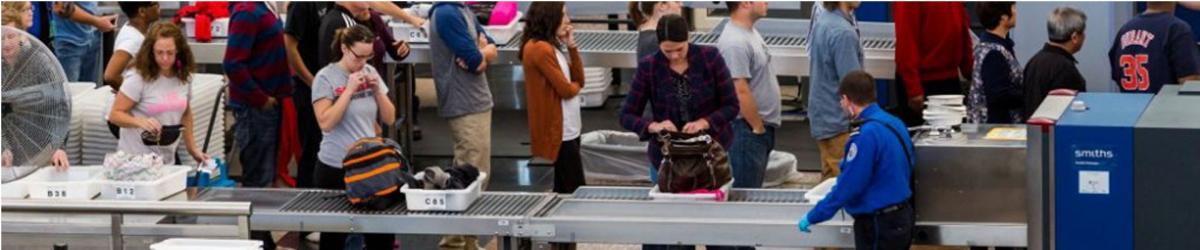
The following items that are banned for carriage on person/hand baggage on board flights operating from civil airports in India; and Indian Registered aircrafts from foreign airports : Personal Items
 Sharp Objects
 Sporting Goods
 Guns and Firearms
 Tools
Tools
 Martial Arts / Self Defense Items
 Explosive Materials
 Flammable items
 Disabling Chemicals and other Dangerous Items
Note : The above mentioned are only indicative lists of items. Commonsense, however, shall prevail in assessing whether an object can be used as a weapon for committing any act of unlawful interference with civil aviation operations.
Security related information
Lost and found Baggage
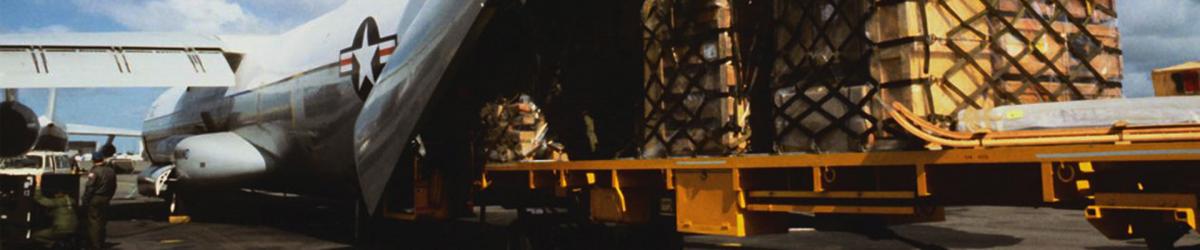
CLEARANCE PROCEDURE & PRE SHIPMENT PROCEDURE FOR EXPORT BAGGAGE:
PRE SHIPMENT PROCEDURE FOR EXPORT GENERAL CARGO:
CLEARANCE PROCEDURE OF IMPORT BAGGAGE:
CLEARANCE PROCEDURE FOR IMPORT GENERAL CARGO
| EXPORT WING | |||
| 1 | Covered Area | 8,516 Sq. m | |
| 2 | E.T.V. area | 1,333 sqm | |
| 3 | One time holding capacity | 258 M.T. | |
| 4 | Annual holding capacity | 47,089 M.T. | |
| 5 | Cargo Apron Capacity | 2B-737 type & 2B-747 type | |
| EXPORT WING | |||
| 1 | Import | 13,390 Sq.m | |
| 2 | Automated & Retrieval System (AS/RS) | 1930 Sqm | Storage |
| 3 | One time holding capacity | 513 M.T | |
| 4 | Annual holding capacity | 86748 M.T. | |
| 5 | Transhipment Area | 80 Sq.m | |
| 6 | 7 Hazardous cargo shed | 82 Sq.m | |
FACILITIES :
PUBLIC FACILITIES :
GENERAL FACILITIES :
FACILITIES FOR SPECIAL CARGO:
| PERISHABLE CARGO PERISHABLE CARGO (CPC) | |||
| Cold Storage | Total area with 3 chambers | 43.80 Sq.m | |
| Description | Temperature | Door Size | |
| Chamber - A (Drug) +2° C to 4° C | 2 x 1.15 Mts. | ||
| Chamber - B +2° C to 5° C | |||
| (Veg. & Fruits) | 2 x 1.15 Mts. | ||
| Chamber - C (Meat) -22° C | 2 x 1.15 Mts. | ||
PRE DEPOSIT ACCOUNT POLICY
CONTACT DETAIL :
AAI-Duty Manager
Ph: 91-33-39874405

भारतीय विमानपत्तन प्राधिकरण,
राजीव गांधी भवन,
सफदरजंग हवाई अड्डा,
नई दिल्ली - 110003
फ़ोन : 91-11-24632950


