Sri Guru Ram Das Jee International Airport, named after Guru Ram Das Ji, the fourth Sikh Guru and the founder of Amritsar city, is about 11 kilometres from the centre of city. It is located on the Amritsar-Ajnala Road, near the village of Raja Sansi. Besides Punjab, the airport serves neighboring states, Himachal Pradesh and Jammu and Kashmir. Amritsar Airport is a gateway not only to the Golden Temple but also to Lahore (Pakistan) through Attari- Wagah border.
The existing high rise glass structured integrated terminal building of Sri Guru Ram Das Jee International Airport, Amritsar was commissioned on 25th February 2009, which was part of the modernization program driven by Airports Authority of India in order to creation of international standard passenger amenities.
The area of the airport is approximately 40175 sqm. (includes 9000 sqm. UNDER DEVELOPMENT) which is equipped with all modern facilities. The annual passenger capacity is 4.5 million.
1. Aeronautical facilities –
Runway, Taxiway and Apron: The length of the runway is 3658 meters, width is 45 meters and orientation 16/34. At present three taxiways and 25 + 1(Cargo) parking stands are available to accommodate upto B744/A346 (Code-E) aircrafts. At present, Amritsar airport is equipped with the facility of CAT III-B operation to allow aircrafts operation in low visibility condition up to 50 meters. Amritsar Airport equipped with 04 Rosenbaurs (ACFT) and 04 Ambulance to maintain the Category- 8 for Fire services.
2. Passengers facilities-
The capacity of Terminal Building of SGRDJ International Airport, Amritsar during peak hours is 1,200 passengers. At present facilities available prior to boarding to aircraft are
3. Facilities for differently able persons


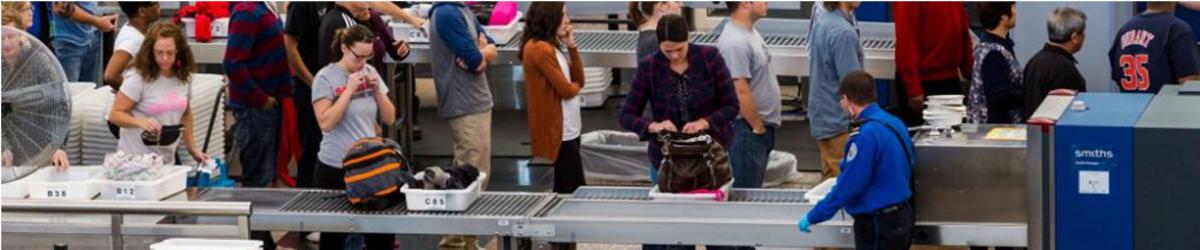
The following items that are banned for carriage on person/hand baggage on board flights operating from civil airports in India; and Indian Registered aircrafts from foreign airports :
 Personal Items
 Sharp Objects
 Sporting Goods
 Guns and Firearms
 Tools
Tools
 Martial Arts / Self Defense Items
 Explosive Materials
 Flammable items
 Disabling Chemicals and other Dangerous Items
Note : The above mentioned are only indicative lists of items. Commonsense, however, shall prevail in assessing whether an object can be used as a weapon for committing any act of unlawful interference with civil aviation operations.
Security related information
Lost and found Baggage

| VIAR AD 2.1 AERODROME LOCATION INDICATOR AND NAME |
| VIAR - AMRITSAR/ INTERNATIONAL |
| VIAR | AD 2.2 | AERODROME GEOGRAPHICAL AND ADMINISTRATIVE DATA |
| s 1 | ARP coordinates and site at AD | 314217N 0744807E 138°/ 625M from RWY and TWY 'F' Intersection |
| 2 | Direction and Distance from City | 325°/11KM from Amritsar |
| 3 | Elevation/Reference temperature | 758 FT / 40.0°C |
| 4 | MAG VAR/Annual change | 1.00°E (1985) /0.000E |
| 5 | AD Administration, address, telephone, telefax, telex, AFS | Airport Director Airports Authority of India, Amritsar International Airport, Amritsar -143101 Tel +91-183-2214166 Fax: +91-183-2214358 AFS: VIARYHYX |
| 6 | Types of traffic permitted | IFR/VFR |
| 7 | Remarks |
VIAR |
AD 2.3 |
OPERATIONAL HOURS |
| 1 | AD Administration | MON-FRI : 0400-1200 UTC (0930-1730 IST) SAT,SUN+ HOL : Nil |
| 2 | Customs and immigration | H24 |
| 3 | Health and sanitation | Nil |
| 4 | AIS briefing office | Combined with aerodrome control tower (H24) |
| 5 | ATS reporting office (ARO) | Combined with aerodrome control tower (H24) |
| 6 | MET briefing office | H24 |
| 7 | ATS | H24 |
| 8 | Fueling | H24 |
| 9 | Handling | H24 with prior coordination with Authorized Ground Handling Agencies. |
| 10 | Security | H24 (CISF) |
| 11 | De-icing | Nil |
| 12 | Remarks | Nil |
VIAR |
AD 2.4 |
HANDLING SERVICES AND FACILITIES |
| 1 | Cargo-handling facilities | 500MT import / export cargo. |
| 2 | Fuel/Oil types | ATF ,Jet A1 |
| 3 | Fuelling facilities/capacity | 8,10,000 Liters |
| 4 | De-icing facilities | Nil |
| 5 | Hangar space for visiting aircraft | Nil |
| 6 | Repair facilities for visiting aircraft | Nil |
| 7 | Remarks | Handling services with prior arrangement. |
VIAR |
AD 2.5 |
PASSENGER FACILITIES |
| 1 | Hotels | In the city |
| 2 | Restaurants | AVBL |
| 3 | Transportation | Pre Paid & Radio Taxi Srvice Avbl. |
| 4 | Medical facilities | MI Room Avbl. |
| 5 | Bank and Post Office | Banks: AVBL Post office: Not Avbl. |
| 6 | Tourist office | Nil |
| 7 | Remarks | Nil |
VIAR |
AD 2.6 |
RESCUE AND FIRE FIGHTING SERVICES |
| 1 | AD category for fire fighting | CAT-8 |
| 2 | Rescue equipment | STD Equip as per category AVBL . |
| 3 | Capability for removal of disabled aircraft | Nil |
| 4 | Remarks | Nil |
VIAR |
AD 2.7 |
SEASONAL AVAILABILITY- CLEARING |
| 1 | Types of Clearing Equipment | Nil |
| 2 | Clearance priorities | Nil |
| 3 | Remarks | Nil |
VIAR |
AD 2.8 |
APRONS, TAXIWAYS AND CHECK LOCATIONS DATA |
| 1 | Apron surface and strength | Surface | Cement Concrete | ||
| Strength | PCN 64/R/B/W/T | ||||
| 2. | Taxiway width, surface and strength | TWY | G | E | F |
| Width | 30M | 30M | 23M | ||
| Surface | Bitumin | Bitumin | Concrete | ||
| Strength | 59/F/B/W/T | 59/F/B/W/T | 103/F/B/W/T | ||
| 3. | ACL and elevation | Location | At Holding Position of TWY “F” (Co-ordinate:314214.19N 0744803.77E) | ||
| Elevation | 229.6 M /753.2 FT | ||||
| 4. | VOR/ INS checkpoints | VOR | Nil | ||
| INS | Nil | ||||
| 5. | Remarks | Nil | |||
VIAR |
AD 2.9 |
SURFACE MOVEMENT GUIDANCE AND CONTROL SYSTEM AND MARKINGS |
| 1 | Use of aircraft stand ID signs, TWY guide lines and visual docking/parking guidance system of aircraft stands | Taxiing guidance signs Avbl. Guidelines at Apron.Nose-in Guidance at aircraft stands, VDGS Avbl. for parking bays 3 & 5 |
| 2 | RWY and TWY markings and LGT | RWY: Marked:Designation, Aiming Point, THR,TDZ,Centerline , Edge, Fillet,Side strip Lighted:Centre Line, TDZ, THR, Rwy Edge, Rwy End. TWY: Marked:Centerline, Edge,Fillet Lighted:Edge |
| 3 | Stop bars | |
| 4 | Remarks |
VIAR |
AD 2.10 |
AERODROME OBSTACLES |
| In approach / TKOF areas | |||||
| 1 | 2 | 3 | 4 | 5 | 6 |
| RWY NR/Area affected | Obstacle type | Coordinates | Elevation | Marking/LGT | Remarks |
| APCH16 TKOF34 affected | SEC. HUT | 314305.6 N 0744732.9 E | 764 FT | NIL | NIL |
| APCH16 TKOF34 affected | STRUCTURE | 314308.0 N 0744739.7 E | 777 FT | NIL | NIL |
| APCH16 TKOF34 affected | LIGHTEN. ROD | 314307.0 N 0744728.8 E | 781 FT | NIL | NIL |
| APCH16 TKOF34 affected | STRUCTURE | 314307.9 N 0744728.7 E | 777 FT | NIL | NIL |
| APCH16 TKOF34 affected | STRUCTURE | 314306.5 N 0744737.5 E | 764 FT | NIL | NIL |
| APCH16 TKOF34 affected | STRUCTURE | 314309.9 N 0744738.0 E | 770 FT | NIL | NIL |
| APCH16 TKOF34 affected | TREE | 314315.2 N 0744736.0 E | 771 FT | NIL | NIL |
| APCH16 TKOF34 affected | LLZ ANTENNA | 314315.3 N 0744730.1 E | 768 FT | NIL | NIL |
| APCH16 TKOF34 affected | LLZ HUT | 314316.0 N 0744732.3 E | 770 FT | NIL | NIL |
| APCH16 TKOF34 affected | ELECT. POLE | 314316.5 N 0744736.5 E | 783 FT | NIL | NIL |
| APCH16 TKOF34 affected | ELECT. POLE | 314312.5 N 0744724.3 E | 782 FT | NIL | NIL |
| APCH16 TKOF34 affected | ELECT. POLE | 314313.3 N 0744724.1 E | 782 FT | NIL | NIL |
| APCH16 TKOF34 affected | ELECT. POLE | 314322.9 N 0744732.9 E | 784 FT | NIL | NIL |
| APCH16 TKOF34 affected | TREE | 314323.6 N 0744731.9 E | 825 FT | NIL | NIL |
| APCH16 TKOF34 affected | TREE | 314325.1 N 0744730.8 E | 813 FT | NIL | NIL |
| APCH16 TKOF34 affected | TREE | 314330.7 N 0744721.8 E | 803 FT | NIL | NIL |
| APCH34 TKOF16 affected | BLAST PAN | 314152.2 N 0744812.5 E | 778 FT | NIL | NIL |
| APCH34 TKOF16 affected | TREE | 314148.6 N 0744809.0 E | 790 FT | NIL | NIL |
| APCH34 TKOF16 affected | TREE | 314148.4 N 0744809.9 E | 794 FT | NIL | NIL |
| APCH34 TKOF16 affected | TREE | 314149.6 N 0744813.4 E | 788 FT | NIL | NIL |
| APCH34 TKOF16 affected | ELECT. POLE | 314148.7 N 0744814.5 E | 766 FT | NIL | NIL |
| APCH34 TKOF16 affected | ELECT. POLE | 314149.3 N 0744815.0 E | 769 FT | NIL | NIL |
| APCH34 TKOF16 affected | TREE | 314146.5 N 0744815.7 E | 807 FT | NIL | NIL |
| APCH34 TKOF16 affected | ELECT. POLE | 314146.4 N 0744810.5 E | 771 FT | NIL | NIL |
| APCH34 TKOF16 affected | ELECT. POLE | 314146.3 N 0744809.3 E | 771 FT | NIL | NIL |
| APCH34 TKOF16 affected | TREE | 314143.3 N 0744811.7 E | 803 FT | NIL | NIL |
| APCH34 TKOF16 affected | TREE | 314140.9 N 0744816.0 E | 796 FT | NIL | NIL |
VIAR |
AD 2.11 |
METEOROLOGICAL INFORMATION PROVIDED |
| 1 | Associated MET Office | Amritsar |
| 2 | Hours of service MET Office outside hours | H24 |
| 3 | Office responsible for TAF preparation period of validity | Delhi 9 HR |
| 4 | Trend forecast interval of issuance | Nil |
| 5 | Briefing/consultation provided | Avbl. with prior coordination |
| 6 | Flight documentation Language(s) used | Tabular Form (English) |
| 7 | Charts and other information available for briefing and consultation | Nil |
| 8 | Supplementary equipment available for providing information | RVR Instrument 'TRANSMISSOMETER' Avbl at MID point of RWY16/34. |
| 9 | ATS units provided with information | Amritsar TWR /APP |
| 10 | Additional information (limitation of service, etc.) | Class-III Met office, No forecast Avbl.Real touch down and RVR display for RWY 34 avbl. in ATC tower.Instrument RVR observation avbl in ATC tower. |
VIAR |
AD 2.12 |
PHYSICAL CHARACTERISTICS |
| Designations RWY NR | TRUE & MAG BRG | Dimensions of RWY (M) | Strength (PCN) and surface of RWY and SWY | THR coordinates | THR elevation and highest elevation of TDZ of precision APP RWY (FT) |
| 1 | 2 | 3 | 4 | 5 | 6 |
| 16 | 157.50° GEO 156.50° MAG | 3658 x 45 | 64/R/B/W/T for first 869M and 64/F/B/W/T for rest. | 314335.40N 0744720.81E | THR:757.9FT |
| 34 | 337.50° GEO 336.50° MAG | 3658 x 45 | 64/F/B/W/T for first 2789 and 64/R/B/W/T for rest | 314145.65N 0744813.83E | THR:752.3FT |
| Slope of RWY-SWY | SWY dimensions (M) | CWY dimensions (M) | Strip dimensions (M) | OFZ | Remarks |
| 7 | 8 | 9 | 10 | 11 | 12 |
| Nil | --- | --- | 3778 x 300 | Nil | Nil |
| Nil | --- | --- | 3778 x 300 | Avbl. |
VIAR |
AD 2.13 |
DECLARED DISTANCES |
| RWY designator | TORA (M) | TODA (M) | ASDA (M) | LDA (M) | Remarks |
| 1 | 2 | 3 | 4 | 5 | 6 |
| 16 | 3658 | 3658 | 3658 | 3658 | 1:50 |
| 34 | 3658 | 3658 | 3658 | 3658 | 1:50 |
VIAR |
AD 2.14 |
APPROACH AND RUNWAY LIGHTING |
| Designations RWY | APCH LGT TYPE LEN INTST | THR LGT COLOUR WBAR | VASIS (MEHT) PAPI | TDZ, LGT LEN | RWY centre line LGT Length, spacing, colour and intensity | RWY edge LGT Length, spacing, colour and intensity |
| 1 | 2 | 3 | 4 | 5 | 6 | 7 |
| 16 | SALS 420M | Green | PAPI LEFT/3° | Nil | --- | 3658M 60M White |
| 34 | CAT I 900M | Green | PAPI LEFT/3° | Nil | --- | 3658M 60M White |
| 07 | --- | --- | --- | --- | --- | --- |
| 25 | --- | --- | --- | --- | --- | --- |
| RWY end LGT colour WBAR | SWY LGT LEN (M) colors | Remarks |
| 8 | 9 | 10 |
| RED | Nil | --- |
| RED | Nil | --- |
| --- | --- | Used for Taxiing only. |
| --- | --- | Used for Taxiing only. |
VIAR |
AD 2.15 |
OTHER LIGHTING, SECONDARY POWER SUPPLY |
| 1 | ABN/IBN Location, characteristics and hours of operation | ABN : At top of Tower Building, FLG W&G EV2SEC.As ATS HR IBN : --- |
| 2 | LDI location and LGT Anemometer location and LGT | LDI: Avbl. Anemometer: --- |
| 3 | TWY edge and centre line lighting | Center line: ------------------ Edge: All TWY |
| 4 | Secondary power supply/switch-over time | Secondary power supply to all lighting at AD. Switch-over time :8 Sec. |
| 5 | Remarks | --- |
VIAR |
AD 2.16 |
HELICOPTER LANDING AREA |
| Not Established |
| VIAR | AD 2.17 | ATS AIRSPACE |
| 1 | Designation and lateral limits | Amritsar CTR : A circle radius 46.3KM (25NM) Centered at 314341N 0744709E. |
| 2 | Vertical limits | SFC to FL100 |
| 3 | Airspace classification | D |
| 4 | ATS unit call sign Language(s) | Amritsar Approach English |
| 5 | Transition altitude | 4000FT MSL |
| 6 | Remarks | TWR & APP unit combined |
VIAR |
AD 2.18 |
ATS COMMUNICATION FACILITIES |
| Service designation | Call sign | Frequency | Hours of operation | Remarks |
| 1 | 2 | 3 | 4 | 5 |
| APP | Amritsar Approach | 121.15 MHZ | H24 | Emergency 121.5MHz |
| TWR | Amritsar Tower | 124.35 MHZ | H24 | --- |
| ATIS | --- | 127.65 MHZ | H24 | ---- |
VIAR |
AD 2.19 |
RADIO NAVIGATION AND LANDING AIDS |
| Type of aid CAT of ILS/MLS (For VOR/ILS/MLS, give VAR) | ID | Frequency | Hours of operation | Site of transmitting antenna | ELEV of DME transmitting antenna | Remarks |
| 1 | 2 | 3 | 4 | 5 | 6 | 7 |
| NDB | AR | 351.0 kHz | H24 | 314231.0 N 0744851.5 E | --- | |
| GP 34 | - | 332.6 MHz | H24 | 314157.0 N 0744813.5 E | --- | 3deg./RDH-50FT,GP AZIMUTH COVERAGE IS RESTRICTED TO 5.5 DEG ON RIGHT SIDE OF RWY |
| DME | AAR | 1126/ 1189 MHz | H24 | 314341.05N 0744709.18E | 780FT | Colocated with DVOR "AAR" |
| DME(ILS) | IAMR | 993/1056MHz | H24 | 314156.98N 0744813.45E | 795FT | Colocated with GP34. |
| DVOR | AAR | 115.5 MHz | H24 | 314341.05N 0744709.18E | ||
| ILS LLZ34 | IAMR | 109.5MHz | H24 | 314316.0N 0744729.5E |
VIAR |
AD 2.20 |
LOCAL TRAFFIC REGULATIONS |
| ----------------------- |
| VIAR | AD 2.21 | NOISE ABATEMENT PROCEDURES |
| ----------------------- |
| VIAR | AD 2.22 | FLIGHT PROCEDURES |
| LOW VISIBILITY PROCEDURES FOR ILS CAT-II OPERATIONS AT | |
| 1. | Definitions |
| 1.1 | Precision approach and landing operations |
| An instrument approach and landing using precision azimuth and glide path guidance with minima as determined by Category of operations. | |
| 1.2 | ILS Category I (Cat I) Operations |
| A precision instrument approach and landing with a decision height not lower than 60M (200 feet) and with either a visibility not less than 800M, or runway visual range not less than 550M (650M at Amritsar). | |
| 1.3 | ILS Category II (Cat II) Operations |
| A precision instrument approach and landing with a decision height lower than 60M (200 feet) but not lower than 30M (100 feet), and a runway visual range not less than 300M (restricted to 350M at Amritsar). | |
| 1.4 | Decision Altitude/Height (DA/H) |
| A specified altitude or height in precision approach at which a missed approach must be initiated if the required visual reference to continue the approach has not been established | |
| NOTE: The required visual reference means that a section of the visual aids or of the approach area which should have been in view for sufficient time for the pilot to have made an assessment of the aircraft position and rate of change position in relation to the desired flight path | |
| 1.5 | ILS Critical Area |
| An area of defined dimensions about the localizer and glide path antennas, where vehicles including aircraft are excluded during all ILS operations. Their presence within the defined area will cause unacceptable disturbance to the ILS signal. Critical area is protected because the presence of vehicles and/or aircraft inside its boundaries will cause unacceptable disturbances to the ILS signal in-space | |
| 1.6 | ILS Sensitive Area |
| An area extending beyond the ILS Critical area where the parking and/or movement of aircraft or vehicles are controlled to prevent the possibility of unacceptable interference to the ILS signal during ILS operations. The sensitive area is protected to provide protection against interferences, caused by large moving objects outside the critical area but still normally within the airfield boundary | |
| 1.7 | Low Visibility Procedures |
| Low Visibility Procedures (LVP) is instructions for the safe and efficient operation of aircraft and vehicles during CAT-II operations and Low Visibility Take-offs | |
| 1.8 | Low Visibility Take-Off |
| Low Visibility Take-Off is a departure carried out when the Runway Visual Range is less than 400M | |
| 1.9 | Obstacle Free Zone (OFZ) |
| The airspace above the inner approach, inner transitional and balked landing surface and that portion of the strip bounded by these surfaces, which is not penetrated by any fixed obstacle other than of low mass and frangible mounted, required for air navigation purposes | |
| 1.10 | Runway Visual Range (RVR) |
| The range over which the pilot of an aircraft on the centreline of a runway can see the runway surface markings or the lights delineating the runway or identifying its centreline | |
| 1.11 | Safeguarding Procedures (SP) |
| Safeguarding Procedures (SP) are instructions for relevant airport departments and airside operators to prepare ground services and facilities for low visibility operations, in order that when LVP are implemented all Safeguarding procedures are complete and airport is configured for CAT-II Operations and Low Visibility Take-Offs | |
| 1.12 | Aerodrome Operating Minima |
| The limit of usability of an Aerodrome for either take-off or landing usually expressed in terms of visibility or runway visual range, decision height/altitude or minimum decision height/altitude and cloud condition | |
| 1.13 | Touchdown Zone |
| The portion of runway beyond threshold where the landing aircraft makes first contact with the runway | |
| 1.14 | Visibility |
| The ability as determined by atmospheric conditions and expressed in units of distance to see and identify prominent unlighted objects by day and prominent lighted objects by night | |
| 1.15 | Missed approach procedure |
| The procedure to be followed if the approach cannot be continued. | |
| 2. | Abbreviations |
| ADC Aerodrome Control | |
| AFSS Airport Fire Safety Services | |
| AGL Airfield Ground Lighting | |
| ATC Air traffic Control | |
| ATIS Aerodrome Terminal Information Service | |
| DO Duty Officer | |
| ILS Instrument Landing System | |
| LLZ Localizer | |
| LSA Localizer Sensitive Area | |
| LVP Low Visibility Procedure | |
| MET Meteorology | |
| MID Mid Point | |
| OFZ Obstacle Free Zone | |
| RVR Runway Visual Range | |
| SMC Surface Movement Control | |
| SP Safeguarding Procedures | |
| SOP Standard Operating Procedures | |
| TDZ Touch-down Zone | |
| Note- | |
| i. | At Amritsar Airport, turning pad is not available for RWY-34. NOTAM to this effect is in force. In view of non-availability of turning pad, wide bodied aircraft (B757 and above) are not permitted to take-off from RWY-34. They have to use RWY-16 for departure. Instrument RVR (Touch Down) for runway-16 is not available |
| ii. | Runway-34 is equipped with CAT-II ILS at Amritsar Airport and due to non-availability of turning pad for RWY-34; the wide bodied aircraft will have to wait till the RVR is 400m or more for Low Visibility Take-off (as per DGCA CAR on All Weather Operations) for departure from runway-16. |
| iii. | Departure will be permitted from RWY-16 keeping in view the position of any arriving traffic which may result in delay due to use of reciprocal runway |
| iv. | There are total 14 parking bays numbered from 1 to 14. All parking bays are Power-in/Push Back |
| v. | During LVP, parking bays along the Eastern Side of Apron i.e. bays 1 to 5 and 11 to 14 will be used to avoid crossing of apron |
| vi | Parking bays 3 & 5 are equipped with Passenger Boarding Bridges/VDGS |
| vii. | Apron control is managed by ATC |
| viii. | Simultaneous push back from adjacent bays is not permissible |
| ix | Weather forecasting facility is not available at SGRDJI Airport |
| x | SMC/ADC/APP functions are combined in single ATC Unit (Amritsar Tower) |
| xi | Keeping in view the traffic density at Amritsar, actions for Safeguarding Procedures & LVP will be initiated only when there is any likely arrival or departure within one hour period under CAT-II conditions |
| xii | In view of “Low Traffic Density” at Amritsar Airport and taxiing distance to apron after vacation of runway, TWY centre line lights are not provided. However, during CAT-II operations all aircrafts after landing will be provided “Follow Me” service form TWY “E” to parking bay. |
| 3. | Introduction |
| 3.1 | General |
| 3.1.1 | RWY-34 at SGRDJI Airport, Amritsar is equipped for the Category- II Operations |
| 3.1.2 | The following equipment shall be serviceable to the required standard to support CAT-II Operations |
| 3.1.2.1 | ILS localizer, glide path and ILS DME |
| 3.1.2.2 | Airfield ground lighting system (AGL) |
| 3.1.2.3 | RVR system (TDZ and MID) |
| 3.1.2.4 | Standby power supply for ILS and airport ground lighting system |
| 3.1.3 | It will be the responsibility of the Pilot to decide the category of ILS Approach he/she may wish to carry out under the given conditions |
| 3.2 | Safeguarding Procedures (SP) |
| 3.2.1 | Safeguarding Procedures are the necessary actions to prepare airport for CAT-II operations. They include inspection of airfield ground lighting, termination of all work in progress in manoeuvring area and removal of all equipment/material from localizer and glide path sensitive area and the manoeuvring area, restrictions on the movement of vehicles on the manoeuvring area and apron |
| 3.2.2 | DO (ATC) at SGRDJI Airport, Amritsar will co-coordinate with all the concerned agencies for implementation of Low Visibility Procedures |
| 3.2.3 | SP shall be implemented whenever ATC considers that the introduction of Low Visibility Procedures is necessary |
| 3.3 | Low Visibility Procedures (LVP) |
| 3.3.1 | Low Visibility Procedures are the actions to ensure the safe operation of aircraft during periods of reduced visibility or low cloud base. |
| 3.3.2 | LVP shall only be implemented when SP has been completed and the airport is configured for low visibility operations. |
| 3.4 | ATC Requirement |
| 3.4.1 | DO (ATC) shall implement and cancel LVP when so required and inform all concerned. |
| 3.4.2 | The ATC Officer on duty shall advise aircraft when any equipment listed in Para 3.1.2 above becomes unserviceable during periods of LVP |
| 3.4.3 | When SP is initiated, Duty Officer (ATC) shall select the appropriate airport ground lighting. These facilities shall remain selected until SP/LVP are cancelled. |
| 3.5 | ILS Critical Areas and Sensitive Area |
| 3.5.1 | The ILS critical and sensitive areas (Cat II) have been marked as per diagram in Annexure- 2 &3. Protection of these areas during CAT-II operations will be ensured as per Standard Operating Procedures (Annexure- 4). |
| 3.6 3.6.1 | NOTE: Signage indicating the limits of localizer and glide paths sensitive areas has been provided. Reporting RVR There are two RVR transmissometers located at Touch-down Zone (TDZ) and Mid-point (MID).The reference RVR value for the implementation and cancellation of LVP shall be the lower of the TDZ and MID RVR. |
| 3.6.2 3.6.2.1 3.6.2.2 3.6.3 4. | When reporting RVR to pilots: TDZ RVR shall always be passed In addition to 3.6.2.1; if TDZ RVR is below 650M; then MID RVR shall also be passed. When any of the two RVR values is not available, CAT-II operation shall be suspended. Implementation of Safeguarding Procedures (SP) & Low Visibility Procedures (LVP) Note:SP & LVP will be implemented only when there is any arrival or departure under CAT-II conditions.) |
| 4.1 4.1.1 4.1.1.1 4.1.1.2 | Criteria for Implementing Safeguarding Procedures (SP) Safeguarding Procedures shall be initiated when: The Visibility/RVR is less than 1200M and visibility is likely to deteriorate to 800M or less; and/or Thecloud ceiling is 400 feet and likely to fall to 200 feet or less |
| 4.2 4.2.1 4.2.1.1 4.2.1.2 4.3 4.3.1 4.3.1.1 | Criteria for Implementing Low Visibility Procedures (LVP) Low Visibility Procedures shall be implemented when: Either the TDZ or MID RVR is less than 800M or the cloud ceiling is less than 200 feet; and SP has been completed and the airport is safeguarded. NOTE:Though LVP is implemented when the above mentioned conditions are applicable, ILS Cat- I operations will continue till TDZ RVR is less than 650M. Implementation of Safeguarding Procedures (SP) When it is anticipated by D.O. (ATC) that low visibility conditions are likely to occur, he will inform the following to keep themselves ready for low visibility operations: Duty Officer (Equipment Room) to check serviceability of ILS. |
| 4.3.1.2 4.3.1.3 4.3.1.4 4.3.1.5 4.3.1.6 4.3.1.7 4.3.1.8 4.3.2 4.3.3 | Shift in Charge Power House to switch “ON” generator and carry out inspection of AGL. Fire Station for positioning CFTs/Ambulances at PDPs and runway crossing traffic light. CISF Control Room for positioning guards for protection of GP sensitive area and LLZ critical area as per SOP. Airport Police Station to deploy guards to protect GP sensitive areas outside AAI boundary wall as per SOP. IAF Main Guard Room/Base Operations Office (through IAF Exchange) to inform all sections of IAF. Duty Officer (IMD) All Work Supervisors in manoeuvring area to stop work. On receipt of the above information, all the concerned agencies will take action as per ANNEXURE-1 for proper planning for activation of LVP.When all the concerned agencies have completed their actions, they shall report to DO (ATC) that SP is complete and the airport is safeguarded for CAT-II operations. |
| 4.4 4.4.1 4.4.1.1 4.4.1.2 4.4.2 4.5 4.5.1 4.5.1.1 | Implementation of Low Visibility Procedures DO (ATC) shall implement Low Visibility Procedures when either TDZ RVR or MID RVR is less than 800M and/or the cloud ceiling is less than 200 feet. Before implementing LVP, DO (ATC) shall ensure that all safeguarding procedures are completed. He shall inform the following:- Duty Officer (Equipment Room) Shift in Charge Power House to confirm that generator is “ON”. DO (ATC) will ensure to include, “Low Visibility Procedures in operation” in ATIS broadcast. Cancellation of Safeguarding Procedures and Low Visibility Procedures DO (ATC) will ensure to include, “Low Visibility Procedures in operation” in ATIS broadcast. Cancellation of Safeguarding Procedures and Low Visibility Procedures DO (ATC) may terminate SP/LVP when: Meteorological conditions improve and visibility is 1200M or more and the cloud ceiling is 400 feet or higher, and |
| likely to improvement further; or | |
| 4.5.1.2 4.5.2 4.5.3 4.5.3.1 4.5.3.2 4.6.4 5. | Facilities, equipment and services necessary for CAT-II operations are degraded and/or the prevailing conditions are considered unsafe for such operations. DO (ATC) should consult MET office before cancelling SP/LVP. When LVP are cancelled ATC Officer on duty shall: Include it in the subsequent two ATIS broadcasts that “Low Visibility Procedures are cancelled”. Inform all the concerned agencies as specified at Para 4.3. If SP are implemented and LVP are not subsequently initiated and MET conditions improve and the visibility/RVR is more than 1200M and the cloud ceiling is 400 feet or higher and both are likely to remain above the required SP criteria, Duty Officer (ATC) may cancel SP. Low Visibility Procedures (LVP) Operations |
| 5.1 5.1.1 5.1.1.1 5.1.1.2 5.1.1.3 5.1.2 5.1.2.1 5.1.2.2 5.1.3 | Air Traffic Control Procedures During LVP, the ATC Officer on Duty shall have the following information: Status of ILS Serviceability of visual aids RVR information In addition to the information normally transmitted by Approach control, following information shall be passed to the arriving aircraft on first contact or as soon as possible thereafter: The current TDZ RVR, and if TDZ RVR is below 650M then MID RVR shall also be passed. The un-serviceability of any component of CAT-II facilities not previously broadcast on ATIS. During CAT-II operations, ATCO on duty shall ensure that second arrival is cleared for CAT-II ILS approach only after first aircraft has landed & vacated runway after backtracking or has carried out missed approach. NOTE:To ensure that the departing aircraft passes overhead the localiser before the inbound aircraft reaches 5D (ILS DME), the departing aircraft must commence take-off run before the arriving aircraft passes 10D (ILS-DME). |
| 5.1.4 5.2.5 5.2.2 5.2.3.1 5.2.3.2 | Controller shall not subject an aircraft carrying out CAT-II ILS approaches to any speed control. Arriving aircraft shall be issued landing clearance not later than 5D (ILS DME). If landing clearance cannot be issued when the aircraft is 5D (ILS DME) it shall be instructed to carry out a missed approach. Arriving aircraft should be given unimpeded taxi route to allow it to clear the localizer sensitive area expeditiously. 5.2.3Landing clearance shall not be issued until: Preceding landing aircraft reports that it has vacated the RWY. Preceding departing aircraft is airborne and has passed over the localizer antenna |
| 5.2.4 5.2.5 5.2.6 5.2.8 5.2.10 5.2.11 | The LSA in front of an arriving aircraft shall not be infringed from the time it is 5D (ILS DME) until it has completed its landing roll. The Low Visibility Taxi Routes are intended to assist the pilots in determining their location on the airport during the periods of low visibility. During take-off in CAT-II condition, the LSA in front of a departing aircraft shall not be infringed from the time take-off clearance is issued until the aircraft has departed and passed over the localizer aerial. ATCO on duty shall initiate emergency action if an aircraft is not seen or not in radio contact as expected. Pilots need additional guidance and information when taxiing during periods of reduced visibility. The view from the cockpit of the aircraft is very limited. Therefore, taxi instructions and essential traffic information should be passed in a clear and concise manner. Duty Officer (ATC) shall monitor the status of taxiway lights and immediately advise the aircraft under its control of any un-serviceability affecting the LVP taxiways Duty Officer (ATC) should monitor the progress of arriving aircraft as they vacate the runway after landing and ensure that they do not stop within the limits of LSA, thereby degrading ILS integrity for subsequent landing aircraft. |
| 5.2.12 5.2.13 | Pilots shall report RWY vacated when aircraft is clear of the ILS sensitive area. Runway vacation boards have been provided at a distance of 160M from runway centreline on TWY “E” which will be used exclusively for vacating RWY after landing. When RVR is less than 650M, vehicle movement should be restricted.Only operationally essential vehicles duly authorized by D.O. (ATC) should be permitted to operate. These vehicles shall remain outside the GP/LLZ critical and sensitive area. Any movement of vehicle on the manoeuvring area shall be coordinated with ATC Tower |
| 5.3 5.3.1 5.3.2 5.3.3 5.3.3.1 | Low Visibility Procedure Taxi Route When LVP is in force, aircraft shall be routed in accordance with the pre-designated taxi routes. During CAT-II conditions i.e. when RVR is reduced to less than 650M, “Follow Me” service will be provided to arriving aircraft and departing aircraft will be provided “Follow Me” service on request. “Follow Me” jeep will be positioned on TWY “E” and pilots after vacating runway shall report the jeep in sight. NOTE:“Follow Me” service shall be provided by trained personnel who are fully familiar with the taxi routes and other manoeuvring area/apron/bays. The following taxi routes shall be used for arrivals: After landing on Runway-34 make 180-degree turn on intermediate turning pad or at the end of runway and backtrack to vacate via TWY- “E” and then taxi to allotted parking stand via TWY- “G”. NOTE:Airline operators will be responsible for ensuring that the aircraft stand taxilane & parking stand area is clear of all equipment when aircraft is taxiing in for parking or taxing out for departure. |
| 5.3.4 6. 6.1 6.1.1 | Taxi routing for departures - Taxi to CAT-II holding position on Runway-34 via TWY- “F”. NOTE:The airline operators will ensure that push-back area is clear of all equipment before push back is commenced. Provision of Equipments for CAT-II Operations Runway Visual Range (RVR) There are two transmissometers recording RVR values for RWY-34. One unit is located at the touch down zone (TDZ) and other unit at runway mid-point (MID). RVR values always refer to as Touchdown RVR (TDZ) and Mid-point RVR (MID). |
| 6.1.2 6.1.2.1 6.1.2.2 6.1.2.3 6.1.2.4 6.1.3 6.1.3.1 6.2 6.2.1 6.2.2 6.2.3 6.2.4 | RVR is reported in the following scales: In the increments 25M when less than 400M. In the increments 50M when RVR greater than 400M but less than 800M. In the increments 100M when 800M or more. The maximum reportable value of RVR is 2000M. When RVR is above 2000M, it is reported as 2001M. RVR serviceability for CAT- II operations: If any of the RVR is not available; CAT-II operations shall be suspended. Airfield Ground Lighting (AGL) System The Precision Approach Lighting system for CAT-II operations are installed on RWY-34 at SGRDJI, Amritsar. During CAT-II operations, the standby generator will take over as primary power source to achieve switch over time of one second and the mains supply becomes the back-up power source. STOP BAR: Stop bars have been provided on TWY- “F” and “E”. When LVP is in force the AGL must comply with the following minimum serviceability requirement: |
| AGL Facility | CAT-II Un-serviceability | Restrictions |
| Approach Lights | Inner 450m-more than 5% of all lights | Suspend CAT-II operations. |
| Beyond 450m-more than 15% of all lights | ||
| Runway edge Lights | More than 5% of all lights | Suspend CAT-II operations |
| Two adjacent lamps | ||
| Runway Centre Line lights | More than 5% of all lights | Suspend CAT-II operations. |
| Two adjacent lamps | ||
| Touch Down Zone Lights | More than 10% of all lights | Suspend CAT-II operations. |
| Two adjacent lamps | ||
| Threshold Lights | More than 10% of all lights | Suspend CAT-II operations. |
| Two adjacent lamps | ||
| Runway End Lights | More than 25% of all lights | Suspend CAT-II operations. |
| Two adjacent lamps | ||
| Standby Generators | Generator in any one unit | Suspend CAT-II operations. |
| NOTE: | Un-serviceability of any of the following facilities does not affect CAT-II operations: |
| a) | PAPI |
| b) | Taxiway edge lights (during day time only) |
| 6.3 | Inspections of Airfield Ground Lighting System |
| 6.3.1 | One of the LVP criteria is that the appropriate airfield ground lights must have been inspected during the hour preceding implementation of LVP, and thereafter every subsequent two hour period. The lighting inspections should be accorded high priority and for this purpose aircraft operations may have to be delayed if necessary. At Amritsar Airport SP & LVP is to be initiated when there is any arrival or departure which is capable of CAT-II. In view of this, inspections of Airfield Ground Lighting System will be carried out at the time of initiating safeguarding procedures before any arrival or departure under CAT-II conditions. Routine inspections of AGL system will be conducted daily by Engg-Elect in coordination with ATC Tower. |
| 6.3.2 | DO (ATC) is responsible for organizing lighting inspections and he shall inform Shift-in Charge Power House for this. On receipt of information from DO (ATC) regarding implementation of safeguarding procedures, Shift-in-Charge (Power House) shall arrange for an inspection of the relevant airfield ground lighting system on priority. To ensure minimum delay in completing the inspection, a dedicated team along with a vehicle will be kept ready in Power House during low visibility conditions. In-Charge Engg (Elect) shall issue necessary instructions regarding this. |
| 6.3.3 | For LVP, only the lighting for the active runway and associated taxiways are to be inspected. |
| 6.4 | Navigational Aids |
| 6.4.1 | RWY-34 has been equipped with CAT-II Instrument Landing System(ILS). |
| 6.4.2 | The ILS category monitor panel at the Control Tower console indicate ILS Category availability by monitoring the following equipment: |
| 6.4.2.1 | Main or Standby localizer transmitter (Both Main & Standby Transmitter status monitoring is available in equipment room). |
| 6.4.2.2 | Main or standby glide path transmitters (Both Main & Standby Transmitter status monitoring is available in equipment room). |
| 6.4.2.3 | The status of the following facilities is monitored and displayed by a separate Nav. Aid status indicator panel: |
| 6.4.2.3.1 | ILS DME |
| 6.4.2.4 | ILS equipment serviceability required for CAT-II operations: |
| 6.4.2.4.1 | Both main and standby localizer transmitters |
| 6.4.2.4.2 | Both main and standby glide path transmitters |
| 6.4.2.4.3 | One standby power generator in each unit |
| 7. | Airport Fire Safety Services (AFSS) |
| 7.1.1 | On receipt of information from ATC Tower regarding SP, CFTs will take position on following re-determined positions (PDPs): On Holding Positions on IAF Parallel Taxiway (Western Side) joining RWY-34 & RWY-16 |
| 7.1.1.2 | In front of Fire station on the approach road to runway |
| 7.1.1.3 | One CFT & one Ambulance on standby at Fire Station will be positioned on Western & Eastern side of runway crossing traffic light. |
| 7.1.2 | In the event of an incident when LVP is in force, ATC Tower should provide the maximum assistance in directing AFSS to required location. |
| 8. | SUMMARY OF LOW VISIBILITY PROCEDURES |
| 8.1 | Subject to completion of Safeguarding Procedures, LVP comes into Operation when: |
| a) | Either TDZ and/or MID RVR is below 800 meters; and / or |
| b) | Cloud ceiling below 200 feet. |
| 8.2 | Vehicular movement: When LVP are in operation: |
| i) | No vehicle shall not be cleared to enter the runway once an inbound aircraft is 10 DME (ILS) inbound. |
| ii) | Vehicular movement on the movement area shall be restricted to essential vehicles only. |
| iii) | Vehicles shall not be held at any point closer to the runway than the CAT-II holding position/ stop-bars |
| 8.3 | Aircraft movement |
| i) | Aircraft shall not be held at any point closer to the runway than the CAT-II holding position/stop-bars. |
| ii) | Aircraft shall be permitted to enter the runway via TWY "F" only. |
| iii) | Aircraft shall be permitted to exit the runway via TWY "E" only. |
| 8.4 | ATC Procedures |
| i) | The aim will be to give landing clearance by 5 DME (ILS). |
| ii) | Departing aircraft must commence their take off run before an inbound aircraft is 10 DME (ILS) inbound. |
| iii) | Protection of localizer/glide path and critical and sensitive area must be ensured. |
| 9 | ACTIONS TO BE TAKEN BY VARIOUS AGENCIES |
| 9.1 | Action by DO (ATC) |
| 9.1.1 | Implementing Safeguarding Procedures: SP is to be initiated only when there is any arrival or departure under CAT-II conditions. |
| 9.1.1.1 | When RVR is less than 1200M and visibility is likely to deteriorate to 800M or less and/or the cloud ceiling is 400 Feet and is likely to fall to 200 Feet or less, DO (ATC) will inform the following for implementing the Safeguarding Procedures: |
| 9.1.1.1.1 | Duty Officer (Equipment Room) to check serviceability of ILS |
| 9.1.1.1.2 | Shift in Charge Power House to switch "ON" generator and carry out inspection of AGL. |
| 9.1.1.1.3 | Fire Station for positioning CFTs/Ambulance at PDPs & runway crossing traffic lights. |
| 9.1.1.1.4 | CISF Control Room for positioning guards for protection of LLZ critical area and GP sensitive areas as per SOP. |
| 9.1.1.1.5 | Airport Police Station to position police guards in designated locations outside AAI boundary wall to protect GP sensitive area as per SOP. |
| 9.1.1.1.6 | IAF Main Guard Room (through IAF Exchange) to inform all sections of IAF. |
| 9.1.1.1.7 | Duty Officer (IMD). |
| 9.1.1.1.8 | All the works supervisors to stop all work in progress in manoeuvring area. |
| 9.1.2 | Implementing LVP: DO (ATC) shall implement Low Visibility Procedure when either: |
| 9.1.2.1 | TDZ RVR or MID RVR is less than 800M; and/or |
| 9.1.2.2 | Cloud ceiling is less than 200 Feet. |
| 9.1.3 | DO (ATC) will check: |
| 9.1.3.1 | ILS status |
| 9.1.3.2 | AGL lighting is correctly selected and operating properly |
| 9.1.3.3 | Transmissometers display |
| 9.1.4 | For the purpose of commencing Safeguarding Procedures/Low Visibility Procedures, DO (ATC) shall inform Duty Officer (Equipment Room) & to Shift in Charge Power House for Switching "ON" generator. |
| 9.1.5 | Duty Officer (ATC) would declare LVP effective only after confirmation from concerned agencies that all actions required under safe guarding procedures have been completed. |
| 9.1.6 | Duty Officer (ATC) shall also ensure that "LOW VISIBILITY PROCEDURE IN FORCE" is included in ATIS broadcast and inform the arriving aircraft "ILS Cat-II Low Visibility Procedures in operation". Also, inform RVR at touch-down to arriving aircraft. In addition, if TDZ RVR is below 650M, then MID RVR shall also be passed. |
| NOTE: | After an aircraft is 10 ILS DME inbound, RVR observations need not be passed unless there is a change in RVR values as per Para 6.1.2. |
| 9.1.7 | Duty Officer (ATC) may terminate SP/LVP in consultation with Duty Met. Officer when: |
| 9.1.7.1 | SP/LVP will be terminated by DO (ATC) when metrological conditions have improved and visibility is 1200M or more or cloud ceiling is 400 feet or higher and is likely to improve. |
| 9.1.7.2 | SP/LVP can also be terminated by DO (ATC) when there is no flight movement during the next one hour. |
| 9.1.7.3 | Facilities, equipment and services necessary for CAT-II operations are degraded and/or the prevailing conditions are considered unsafe for such operations. |
| 9.1.7.4 | Duty Officer(ATC) will intimate all previously informed agencies regarding the termination of SP/LVP operation. |
| 9.1.8 | Duty Officer (ATC) shall ensure adequate spacing between the successive arriving aircraft so that landing clearance may be issued by at least 5 ILS DME. Special precaution may be exercised to take account of time taken for vacating runway as aircraft will be backtracking for vacation via TWY "E" after landing |
| 9.1.9 | Give an unimpeded taxi route to arriving aircraft to allow it to clear the localizer sensitive area expeditiously. |
| 9.1.10 | Inform pilots of failures of ILS, lighting system, transmissometers relevant to ILS Cat-II Low Visibility Operations. |
| 9.1.11 | Initiate emergency action if aircraft on CAT-II ILS is not seen or is not in radio contact as expected. |
| 9.1.12 | Record of all the actions with time shall be maintained and signed by the officer taking action. |
| 9.1.13 | During the Period the when Low Visibility Procedures are effective: |
| 9.1.13.1 | Monitor surface movement of aircraft and essential vehicles on the manoeuvring area |
| 9.1.13.2 | Inform all taxiing aircraft of the preceding taxiing or holding aircraft. |
| 9.2. | Action by Duty Officer (Equipment Room) |
| 9.2.1 | On receipt of information from DO (ATC) regarding SP, Duty Officer (Equipment Room) will: |
| 9.2.1.1 | Check the status of: |
| 9.2.1.1.1 | Main and standby ILS system (LLZ/Glide Path/ILS-DME); and |
| 9.2.1.1.2 | Indicators in the ATC units |
| 9.2.1.1.3 | Inform Duty Officer (ATC) of any un-serviceability in the equipment which is likely to affect ILS CAT-II operation. |
| 9.2.2 | On receipt of message from DO (ATC) that LVP is to be made effective: |
| 9.2.2.1 | Duty Officer (Equipment Room) will continuously monitor the performance of ILS system and intimate DO (ATC) of any un-serviceability which may affect ILS CAT-II operations |
| 9.3. | Action by Shift-in-Charge Power House (Electrical Engineering) |
| 9.3.1 | On receipt of information to implement Safeguarding Procedures from DO (ATC), Shift-in-Charge Power House will: |
| 9.3.1.1 | Check that the following AGL associated with RWY-34 is serviceable and can be operated at full intensity. |
| 9.3.1.1.1 | Approach lighting system |
| 9.3.1.1.2 | Runway Edge lights |
| 9.3.1.1.3 | Runway threshold and end lights |
| 9.3.1.1.4 | Runway centreline lights |
| 9.3.1.1.5 | Runway touch-down zone lights |
| 9.3.1.1.6 | Stop Bar lights |
| 9.3.1.1.7 | Taxiway edge lights |
| Note: | No adjustment of light intensities shall be made without permission from Control Tower. |
| 9.3.1.2 | Inform the un-serviceability beyond permissible limits of above visual lighting aids to Duty Officer (ATC). |
| 9.3.1.3 | Ensure that standby generator takes over as primary power source and the mains supply becomes the backup power source when informed by DO (ATC) regarding implementation of safeguarding procedures. |
| 9.3.1.4 | Ensure that CCR Hall is manned by competent personnel and shall remain available on telephone or maintain a listening watch on Walkie-Talkie. |
| 9.3.1.5 | Coordinate for inspection of AGL and inform the un-serviceability or any change in status of any facility/systems to DO (ATC) immediately |
| 9.4. | Action by CISF Control Room: |
| 9.4.1 | Position CISF Guards at designated locations on perimeter road on both sides towards runway-34. Any vehicular movement beyond the barriers provided at these locations shall be in coordination with ATC Tower as per SOP. |
| 9.4.2 | Direct CISF guards on duty at new DVOR & Localizer building towards runway-16 to stop movement of vehicles beyond the barriers provided at these locations. Any vehicular movement beyond the barriers provided at these locations shall be in coordination with ATC Tower as per SOP. |
| 9.4.3 | Stop movement of people going to "Gurudwara Santsar" after implementation of safeguarding procedures. Any crossing of taxiway "G" for movement to/from gurudwara shall be positively coordinated with ATC Tower as per SOP. |
| 9.4.4 | In charge, CISF Control Room will immediately inform all access gates and CISF Posts in operational area/Perimeter Road to keep surveillance on movement of vehicles/personnel and inform ATC Tower immediately of any possible runway incursio |
| 9.4.5 | After initiation of Safeguarding Procedures, Shift in Charge (CISF) shall immediately inform all access gates and CISF Posts in operational area/Perimeter Road to keep surveillance on movement of vehicles/personnel and inform ATC Tower immediately of any vehicle/person entering or present in the sensitive/critical areas of localizer and glide path or any possible runway incursion. |
| Note: | For SOP, refer ANEXXURE-4. |
| 9.5. | Action by Base Ops/Guard Room at IAF Main Gate: |
| 9.5.1 | Inform Station Commander and COO. |
| 9.5.2 | On receipt of information regarding implementation of Low Visibility Procedures, the IAF personnel on Duty at main guard room will immediately inform all sections of IAF and access gates/DSC Guard Posts in operational area. |
| 9.5.3 | All work in operational area on Western side of runway shall be stopped |
| 9.5.4 | Use of IAF Parallel Taxi Track is prohibited till the termination of LVP. |
| 9.5.5 | All IAF personnel must be informed that the runway crossing light will be switched "ON" half an hour before any flight movement under CAT-II conditions and perimeter road should be used as far as possible. |
| 9.5.6 | All IAF personnel must be informed that the use of perimeter road beyond localizer building and new DVOR building towards runway-16 will be stopped to protect localizer critical area. CISF Guards will be positioned at the barriers provided at these locations. Vehicular movement beyond the barriers will be permitted only after positive clearance from ATC Tower. |
| 9.6. | Action by Terminal Manager & E & M Section |
| 9.6.1 | E & M Section will position the "Follow Me" jeep in front of arrival in airside on apron with Walkie Talkie. The driver of the "Follow Me" jeep will be keeping listening watch on Walkie-Talkie and will remain in the jeep. (Call sign-"Follow Me" jeep). |
| 9.6.2 | The "Follow Me" jeep will proceed to Fire station immediately when instructed by ATC Tower to provide "Follow Me" service to arriving aircraft by Fire Service personnel. |
| 9.6.3 | Terminal Manager will deploy staff on airside to ensure that airside regulations are being followed strictly by all agencies. |
| 9.6.4 | Inform ATC Tower in case any violations of the LVP procedures on apron are noticed |
| 9.7. | Action by Fire Station |
| 9.7.1 | Ensure that AFSS are on standby at the pre determined position (PDPs) whenever safeguarding procedures are in force. |
| 9.7.2 | Re-position the turn out positioned at Fire Station approach road connecting runway on Traffic Light with CFT on Western Side and ambulance on the Eastern Side. The runway crossing traffic light will be switched "ON" half an hour before any flight movement under CAT-II conditions and no crossing shall be allowed during this period. |
| 9.7.3 | Fire Watch Tower shall keep proper surveillance of aircraft movement and take immediate action in case of any incident in coordination with ATC Tower. |
| 9.7.4 | Use of IAF PTT is prohibited after safeguarding procedures are initiated. CFTs at PDPs on IAF PTT on both ends must keep surveillance of any vehicular movement on IAF PTT and intimate ATC Tower of any violations. |
| 9.7.5 | Carry out runway inspections and provide "Follow Me" service whenever informed by ATC Tower. ATC Tower will send the "Follow Me" jeep to Fire Station for this purpose. |
| 9.8. | Action by Duty Officer-Meteorology |
| 9.8.1 | Duty Met. Officer should advise DO (ATC) about probability of Low Visibility conditions whenever he expects that the RVR RWY-34 and/or cloud ceiling will fall below 800M and/or 200 feet or less respectively. |
| 9.8.2 | Whenever the RVR and/or cloud ceiling are 800M and/or 200 feet respectively and the trend is towards improvement in these elements of weather conditions, the Duty Met Officer may, when requested by DO (ATC), advise him about such improving weather conditions for the purpose of termination of SP/LVP operation. |
| 9.8.3 | The Duty Met. Officer would ensure that the RVR displays in ATC units in the Control Tower are serviceable. He would also ensure that RVR/visibility recorders of Touch-down zone (TDZ) and Mid-Point (MID) positions are serviceable. |
| NOTE: | Due to non-availability of whether forecast at Amritsar Airport, it may not be always possible to predict precise anticipated values of RVR/ceiling. |
| 9.9. | Action by Airline Operators, Ground Handling Agencies and Other Agencies |
| 9.9.1 | All agencies like airlines, ground handling agencies, refuelling companies, catering agencies, Customs, Immigration, etc. operating in the airside shall ensure that only those vehicles that are absolutely essential for aircraft operations are in use. The drivers of these vehicles should keep a look out for taxiing aircraft and other vehicles to prevent accidents. |
| 9.9.2 | All the vehicles must have their obstruction lights "ON" during Low Visibility Procedures operations and strictly follow vehicular lane. |
| 9.9.3 | Follow all instructions/sign boards provided for vehicular movement area/service roads |
| 9.9.4 | No vehicle/equipment/personnel shall enter in and around the vicinity of the runways or taxi-tracks except with prior permission of Duty Officer (ATC). |
| 9.9.5 | Airlines/ground handling agencies must ensure that push back area and taxiing path of aircraft on apron shall be kept clear of equipments/vehicles. |
| 9.10. | Termination of Safeguarding Procedures/Low Visibility Procedures |
| 9.10.1 | SP/LVP will be terminated by DO (ATC) when metrological conditions have improved and visibility is 1200M or more or cloud ceiling is 400 feet or higher and is likely to improve. He may obtain advice from Duty Met. Officer regarding improvement in weather conditions for the purpose of termination of LVP operations |
| 9.10.2 | SP/LVP can also be terminated by DO (ATC) when there is no flight movement during the next one hour. |
| 9.10.3 | DO (ATC) will inform all agencies who were previously notified for SP/LVP to resume normal operations |
| 10 | LOCALIZER CRITICAL & SENSITIVE AREA |
 |
|
| 11 | GLIDE PATH CRITICAL & SENSITIVE AREA |
 |
|
| 12. | STANDARD OPERATING PROCEDURES |
| 12.1 | SOP FOR CONTROL OF VEHICULAR MOVEMENT IN APPROACH FUNNEL AND PROTECTION OF LOCALIZER CRITICAL AREA & GLIDE PATH SENSITIVE AREA |
| Some portion of the perimeter road on Eastern & Western Side of runway-34 side is falling in the approach funnel. Also, some portion of perimeter road beyond localizer building & new DVOR building is falling in localizer critical area. In addition to this, on Eastern side of runway-34, some portion of perimeter road is in the sensitive area of Glide Path. As a permanent measure, barriers, which will be controlled from ATC Tower, will be installed on locations "A" & "B" shown in the enclosed map to control the vehicular traffic and perimeter road will be re-alignment to protect localizer critical area.As a temporary measure, in order to control the vehicular movement in the above areas, the following standard operating procedure will be followed: | |
| A) | To control the vehicular movement towards approach funnel and glide path sensitive area of runway-34 on Eastern Side, a CISF guard with Walkie-Talkie will be positioned at location "A" near CISF barrack. He will positively coordinate with ATC Tower via CISF Control Room before allowing any vehicle beyond this point. A barrier has been provided at this location which will be operated manually by CISF guard. |
| B) | To control the vehicular movement towards approach funnel of runway-34 on Western Side, a CISF guard with Walkie-Talkie will be positioned at location "B" near ORPs. He will positively coordinate with ATC Tower via CISF Control Room before allowing any vehicle beyond this point. A barrier has been provided at this location which will be operated manually by CISF guard |
| C) | To protect localizer critical area towards runway-16, CISF Guards with Walkie-Talkie positioned at new DVOR building and Localizer building will be repositioned on perimeter road. These guards will not allow any vehicle/persons beyond the barrier installed bear new DVOR and localizer building without clearance from ATC Tower. He will positively coordinate with ATC Tower via CISF Control Room before allowing any vehicle beyond this barrier which will be operated manually by CISF guard. |
| LOCATION "A" & "B" | |
 |
|
| 12.2 | STANDARD OPERATING PROCEDURE FOR CONTROL OF RUNWAY CROSSING BY IAF VEHICLES/PERSONNEL & CROSSING OF TAXIWAY "G" FOR MOVEMENT TO/FROM GURUDWARA |
| * At Amritsar Airport, on the Western Side of runway some IAF installations are located. The residential area of IAF is located on the Eastern Side. For going from Eastern Side to Western Side, IAF vehicles/ personnel cross the runway via runway crossing point as shown in the enclosed map. As a permanent measure, it is proposed to withdraw the runway crossing point in consultation with IAF. The following procedure will be followed to control vehicles/personnel using runway crossing point: | |
| * At present, the vehicular movement is controlled using traffic lights which are controlled form ATC Tower. One Aerodrome Attendant with Walkie-Talkie is positioned on the Eastern Side. In addition to reporting any unauthorized crossing of runway, he confirms on Walkie-Talkie whenever traffic lights switched "ON" to red and green by ATC Tower. | |
| * As an additional safety precaution during CAT-II operations, in addition to Aerodrome Attendant on Eastern Side, one Crash Fire Tender will be positioned on Western Side and one Ambulance will be positioned on Eastern Side. | |
| * At present runway crossing traffic light is switched on approx 10 minutes any arrival or departure. As an additional safety precaution, Runway crossing traffic light will be switched "ON" 30 minutes before any arrival or departure during CAT-II operations. At Amritsar Airport, Gurudwara Santsar is located on West of Taxiway "G". To control the movement of devotees to/from gurudwara, the following procedure will be followed: | |
| * On receipt of information regarding implementation of safeguarding procedures, CISF Control Room will instruct the CISF guards on duty to coordinate all movement to/from gurudwara with ATC Tower. | |
| * Crossing of Taxiway "G" shall not be allowed for movement to/from gurudwara unless positively coordinated with ATC Tower. | |
| 12.3 | STANDARD OPERATING PROCEDURES FOR CONTROL OF CONSTRUCTION ACTIVITY, ERECTION OF POLES/LINES, MOVEMENT OF VEHICLES/MACHINERY ETC. IN GLIDE PATH SENSITIVE AREA IN AGRICULTURAL LAND OUTSIDE AAI BOUNDARY WALL |
| At Amritsar Airport, on Eastern side of runway-34, some portion of sensitive area of Glide Path is falling outside AAI boundary wall in the private agricultural land. The Distt Administration/Local Police will sensitize the owner of the agricultural land about the importance of requirement to protect sensitive area of glide path. In order to control the movement of vehicles, machinery, erection of electric poles/lines, construction activity etc in this area, the following standard operating procedure is formulated in consultation with Airport Police Station/Distt Administration: | |
| Whenever visibility is at or below 1200m, safeguarding procedures are implemented by ATC Tower. As soon as safeguarding procedures are implemented, ATC Tower will intimate Airport Police Station on Tele- 0183-2214099 or in person in case of no contact on telephone. The Airport Police Station which is located within airport premises will inform the owner of the agricultural land to take out any vehicle/machinery from the earmarked area. | |
| Airport Police Station will position two police guards on the locations marked on enclosed map. They will not allow any vehicle/machinery to enter the glide path sensitive area as shown in the map and ask the owner of the agricultural land to remove any vehicle/machinery present in the sensitive area. | |
| The Police personnel deployed in the sensitive area will intimate ATC Tower of any unauthorized vehicles/machinery in the sensitive area and also confirm to ATC Tower that any vehicle/machinery present in the sensitive area has been removed. | |
| No construction activity or erection of electric poles/lines will be allowed in the sensitive area outside AAI boundary wall by enforcing provisions of Aircraft Act 1934. | |
| GLIDE PATH SENSITIVE AREA OUTSIDE AAI BOUNDARY WALL | |
 |
VIAR |
AD 2.23 |
ADDITIONAL INFORMATION |
I. Lighted signage for TWY E, G, F, RWY and informatory signage’s provided. II. A new link taxi track AVBL. for operation at a distance of 914 M from beginning of RWY 34. Dimension : 402 X 23 M PCN : 64/R/C/W/T Cross slope : 1% Surface : Concrete Taxi guidance during day and night AVBL III. I ntermediate Turning Pad AVBL for RWY 16, TORA 3289M. IV. ACFT Stand Marking Details.(All Bays are Power-in/Pushback-out )
All operators to make their own arrangement or positively coordinate with National Airline Company of India LTD for pushback facility before operating flights to/from VIAR |
VIAR |
AD 2.24 |
CHARTS RELATED TO AN AERODROME |
| 1. | ILS (I)RWY 34 procedure chart split into ILS(Z) (I)RWY 34 and ILS (Y)(I)RWY 34 | |
| 2. | VOR RWY 34 | |
| 3. | VOR RWY 16 | |
| 4. | NDB RWY 34 (CAT A/B) | |
| 5. | NDB RWY 34 (CAT C/D) |


Airports Authority of India,
Rajiv Gandhi Bhawan,
Safdarjung Airport,
New Delhi-110003
Ph : 91-11-24632950


